


The Book of Veles
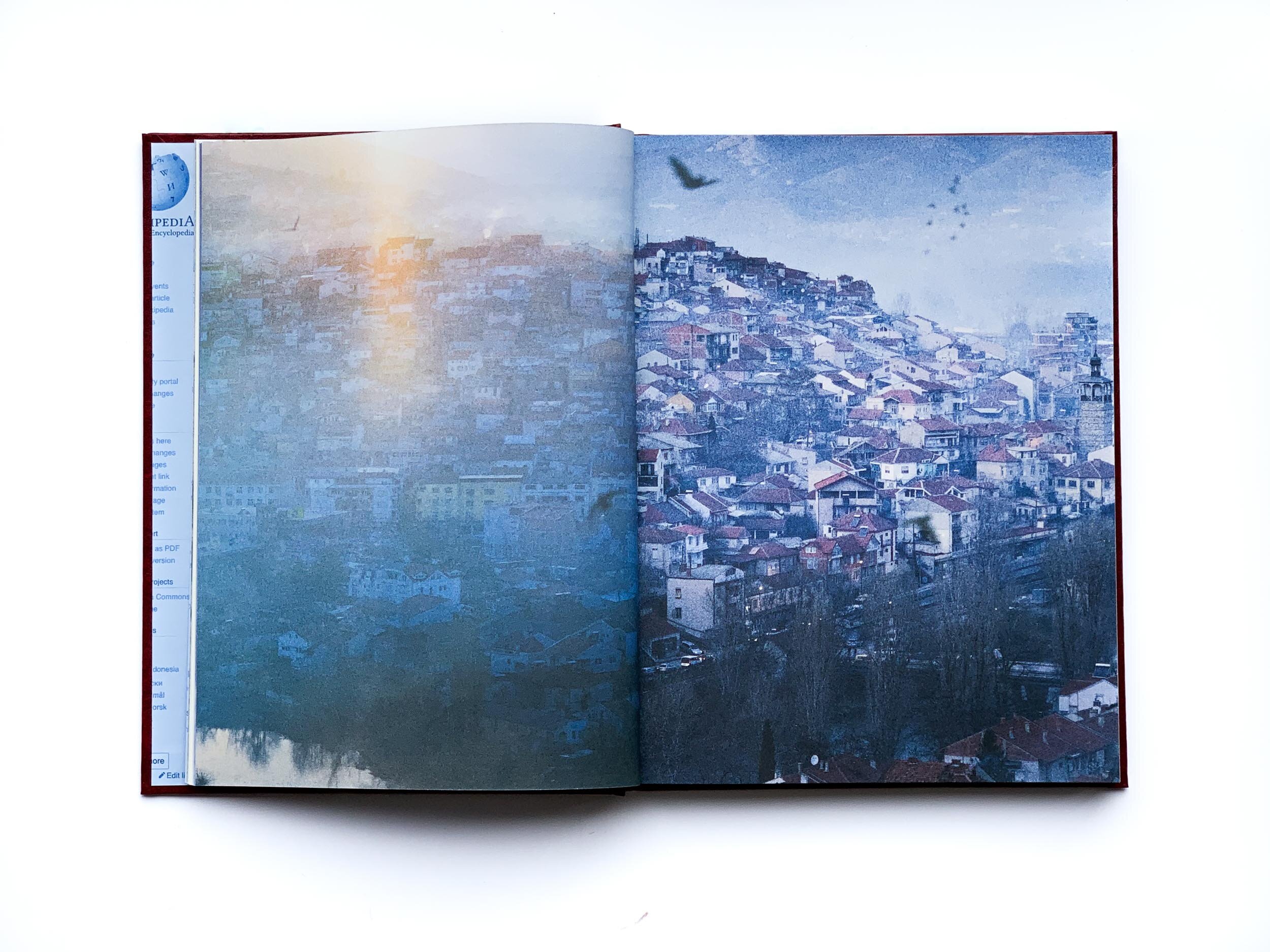
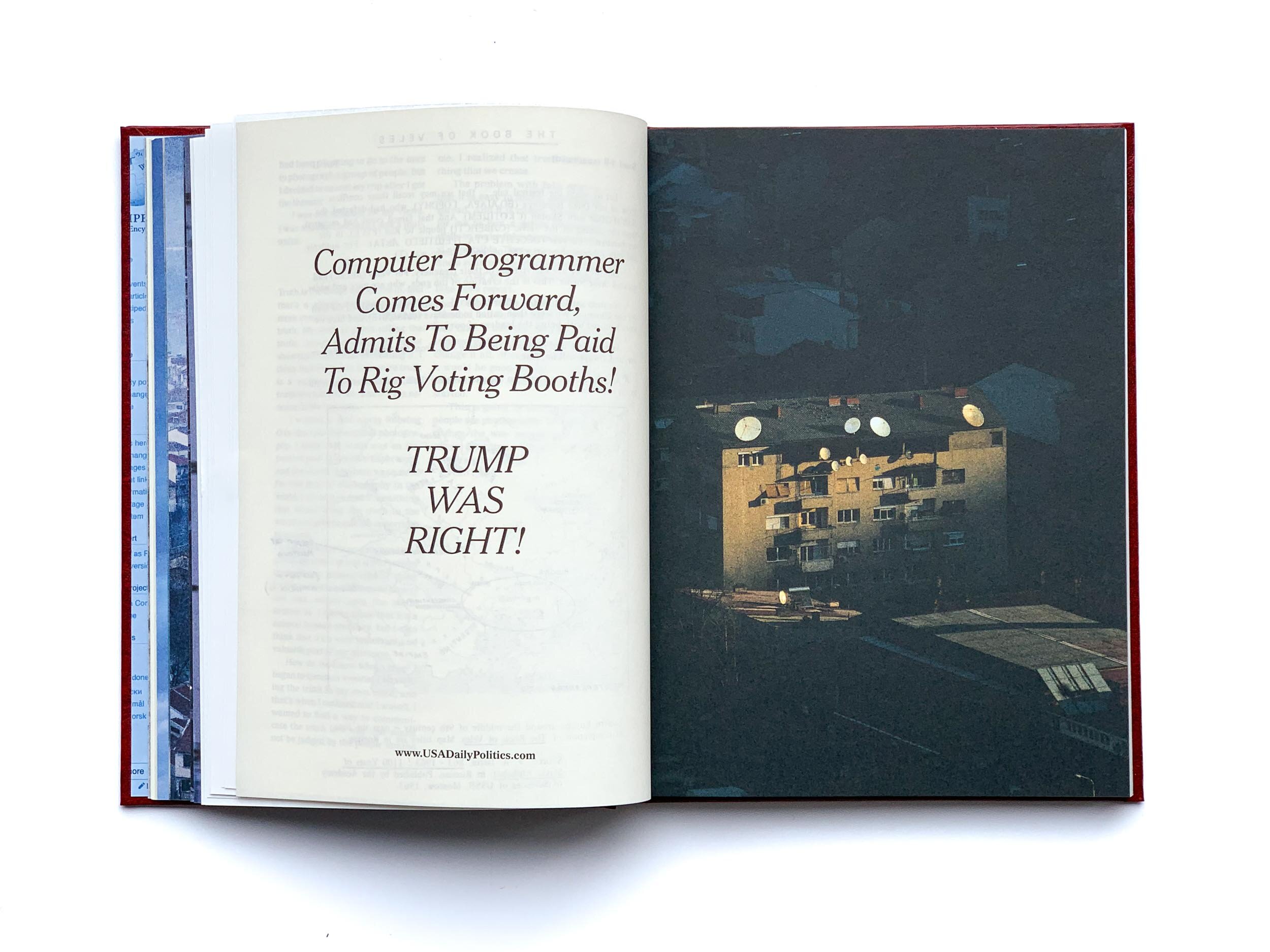
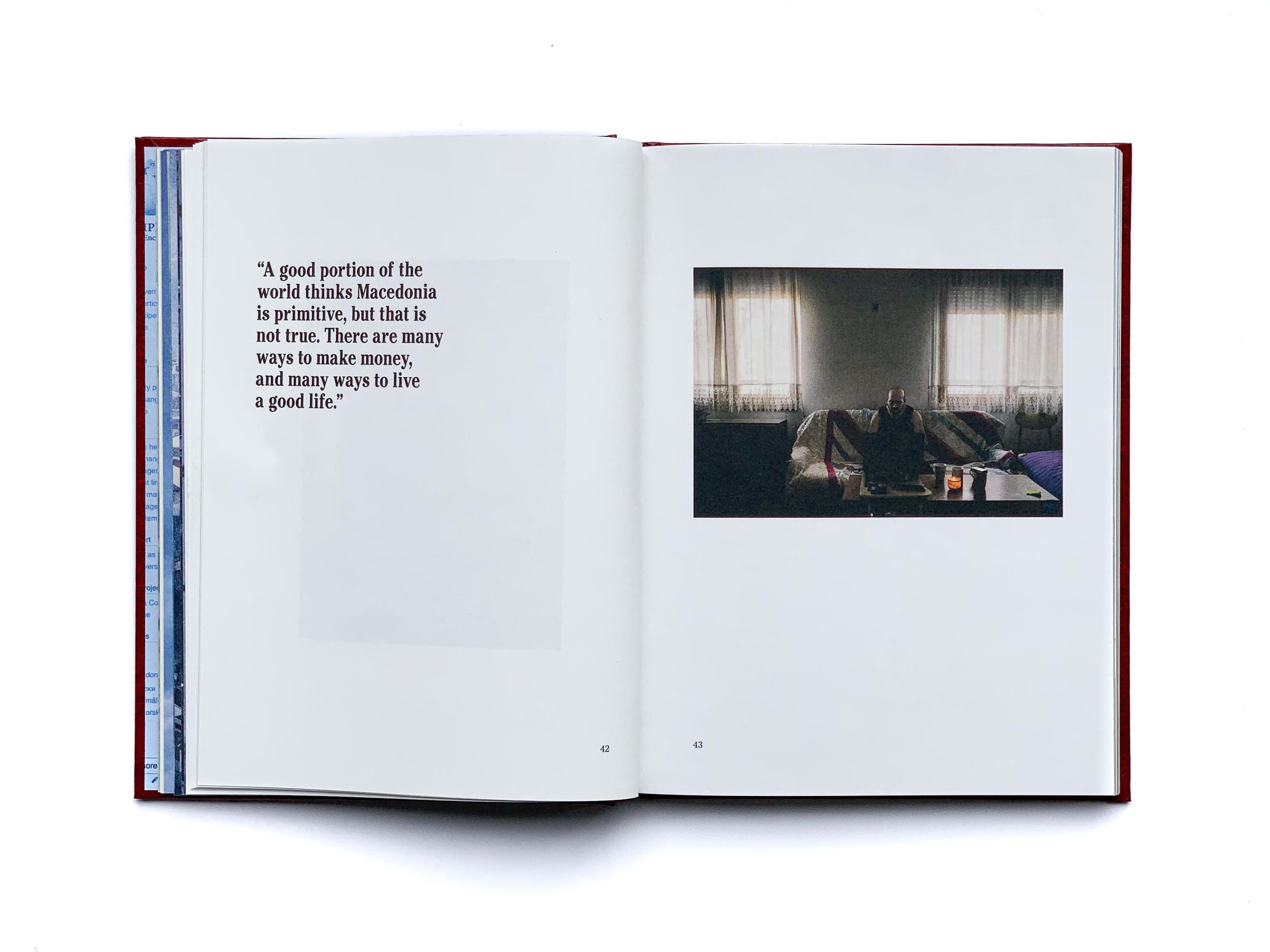
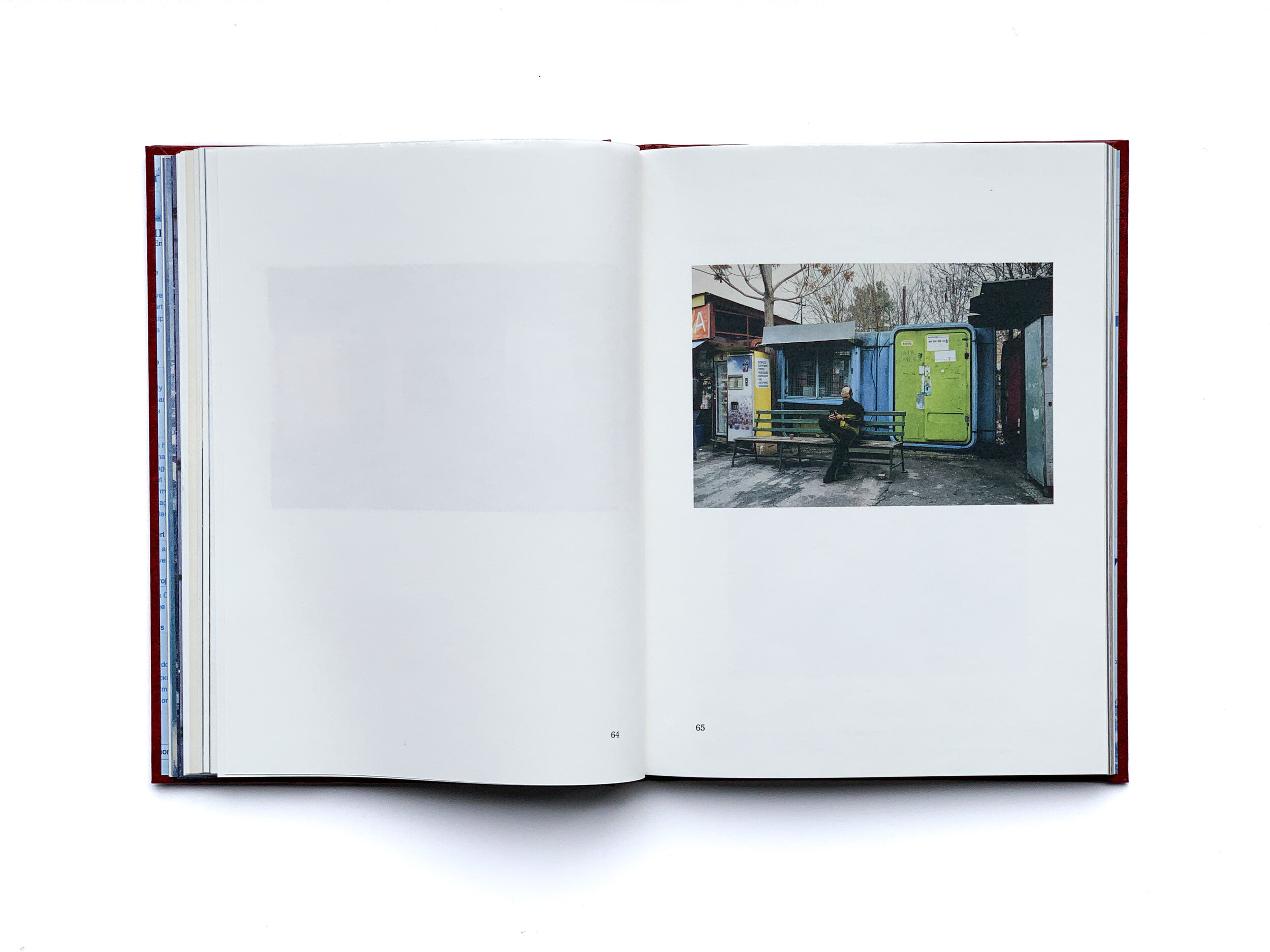
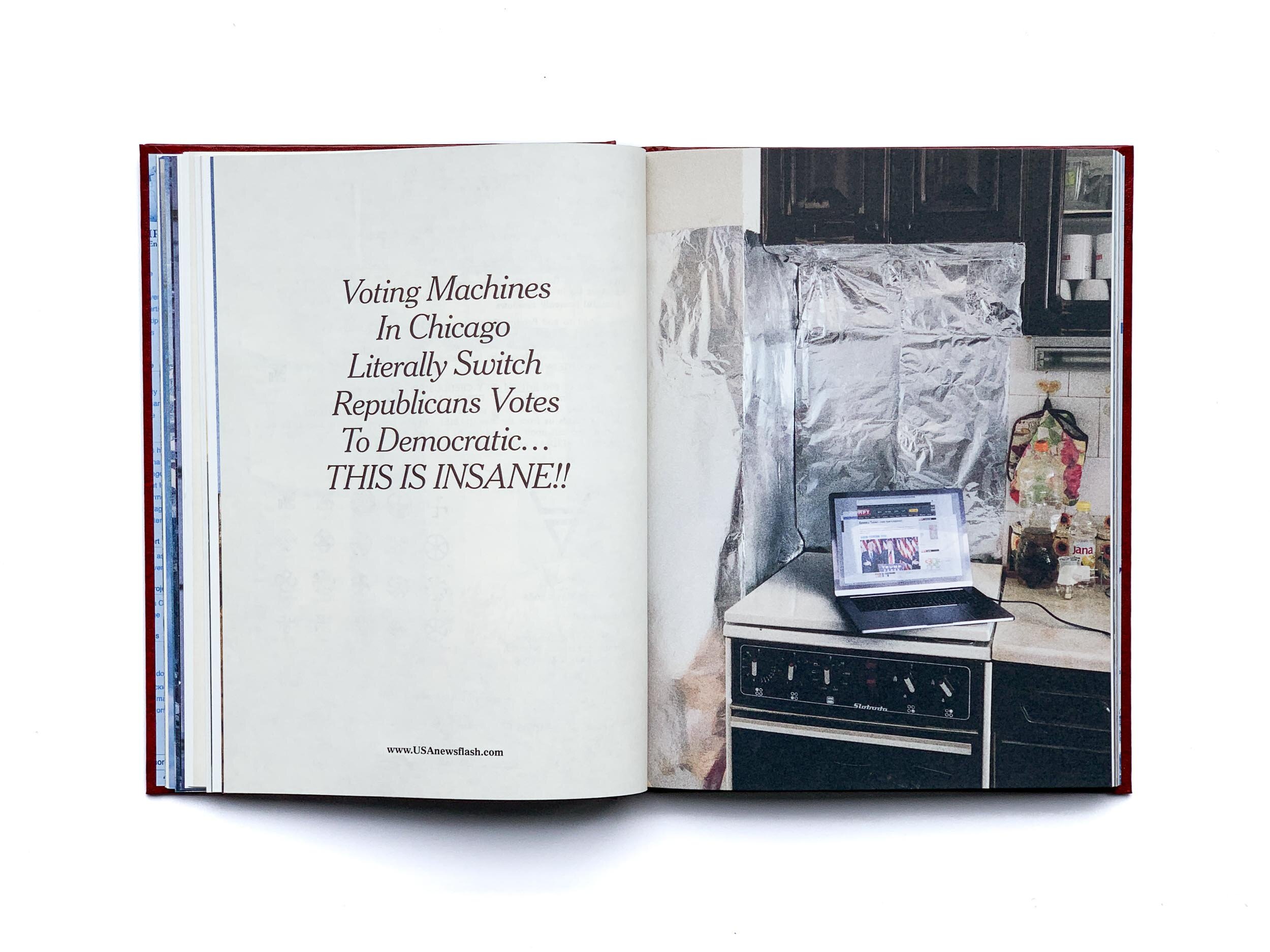
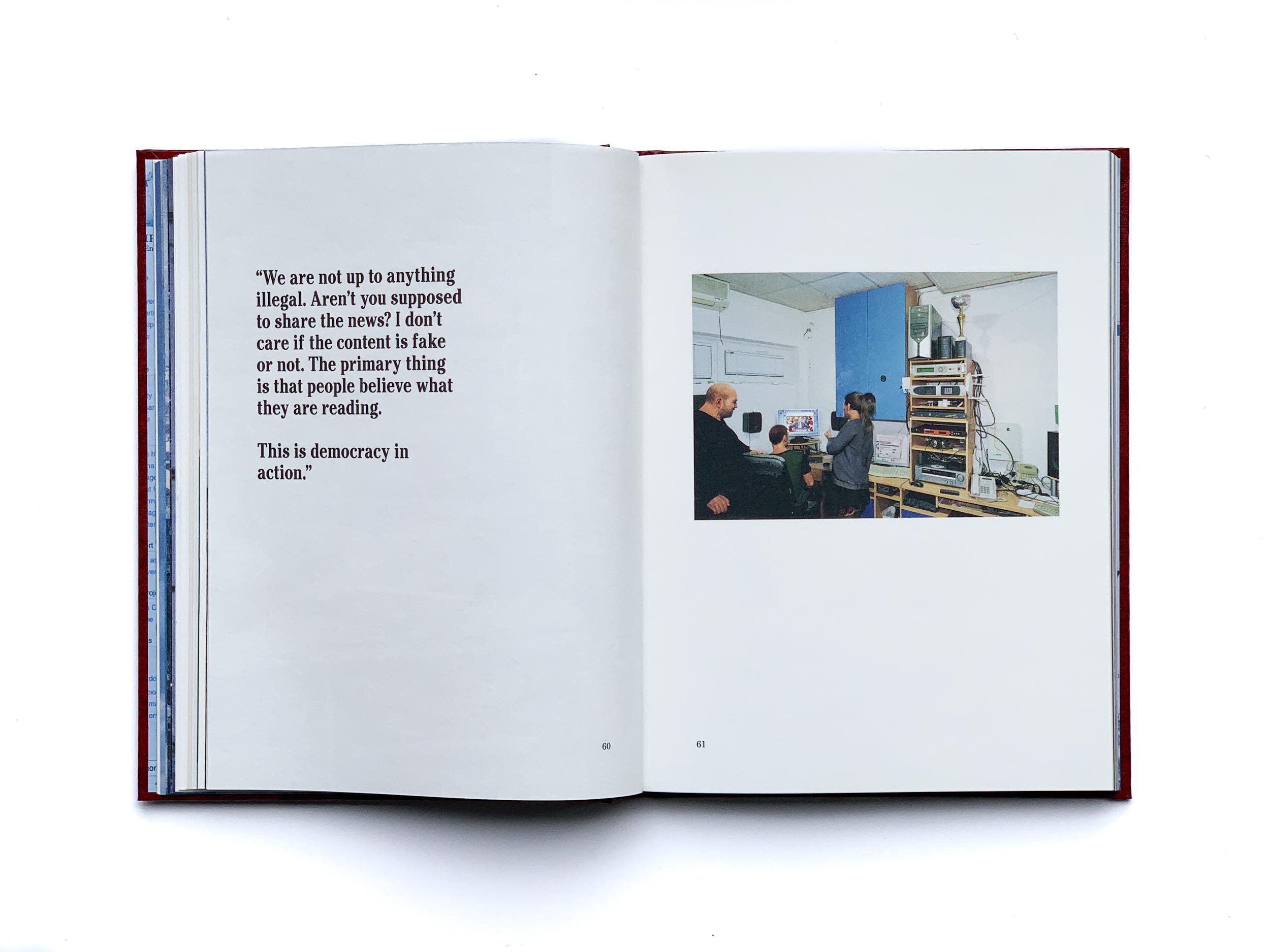
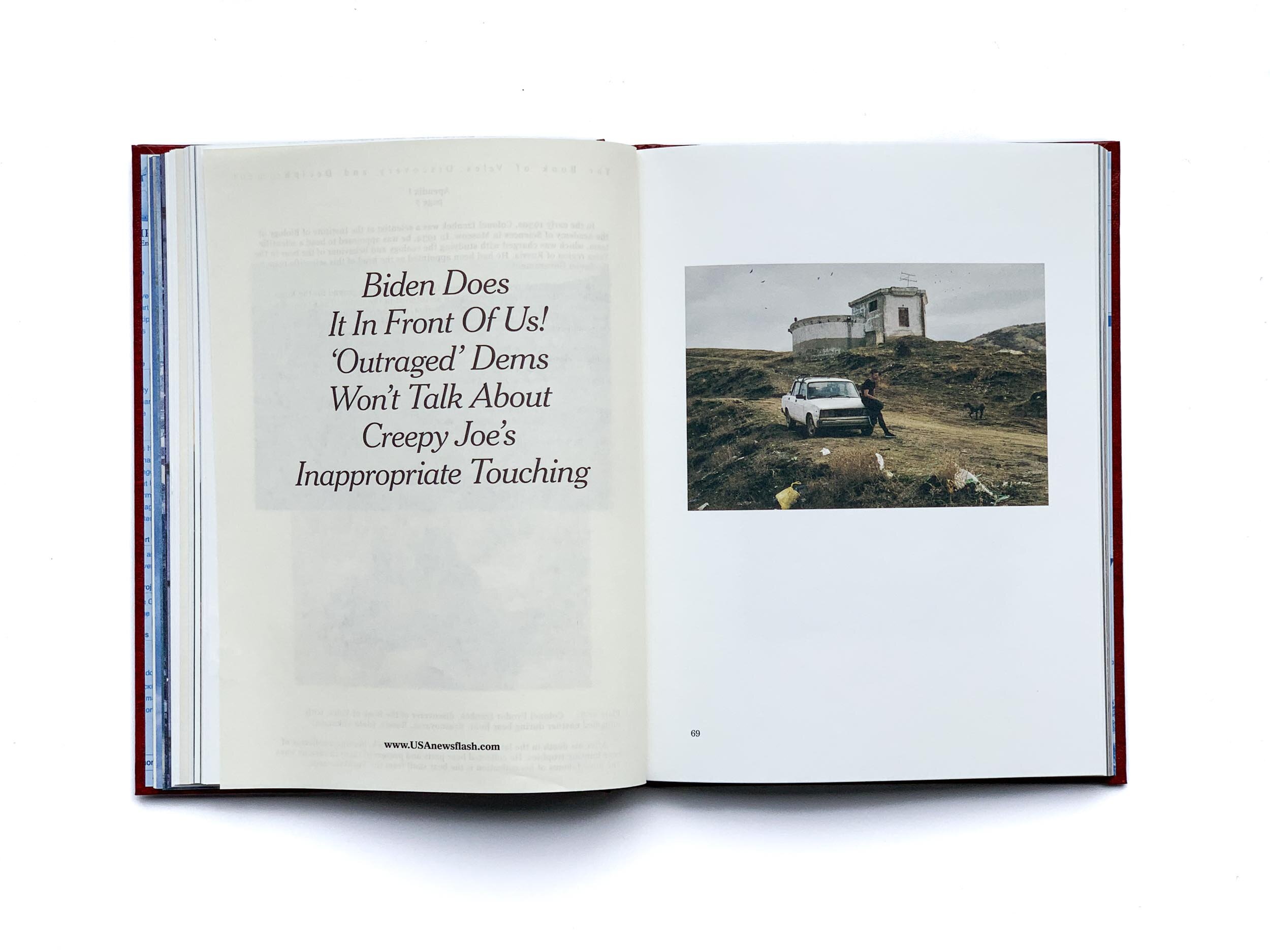
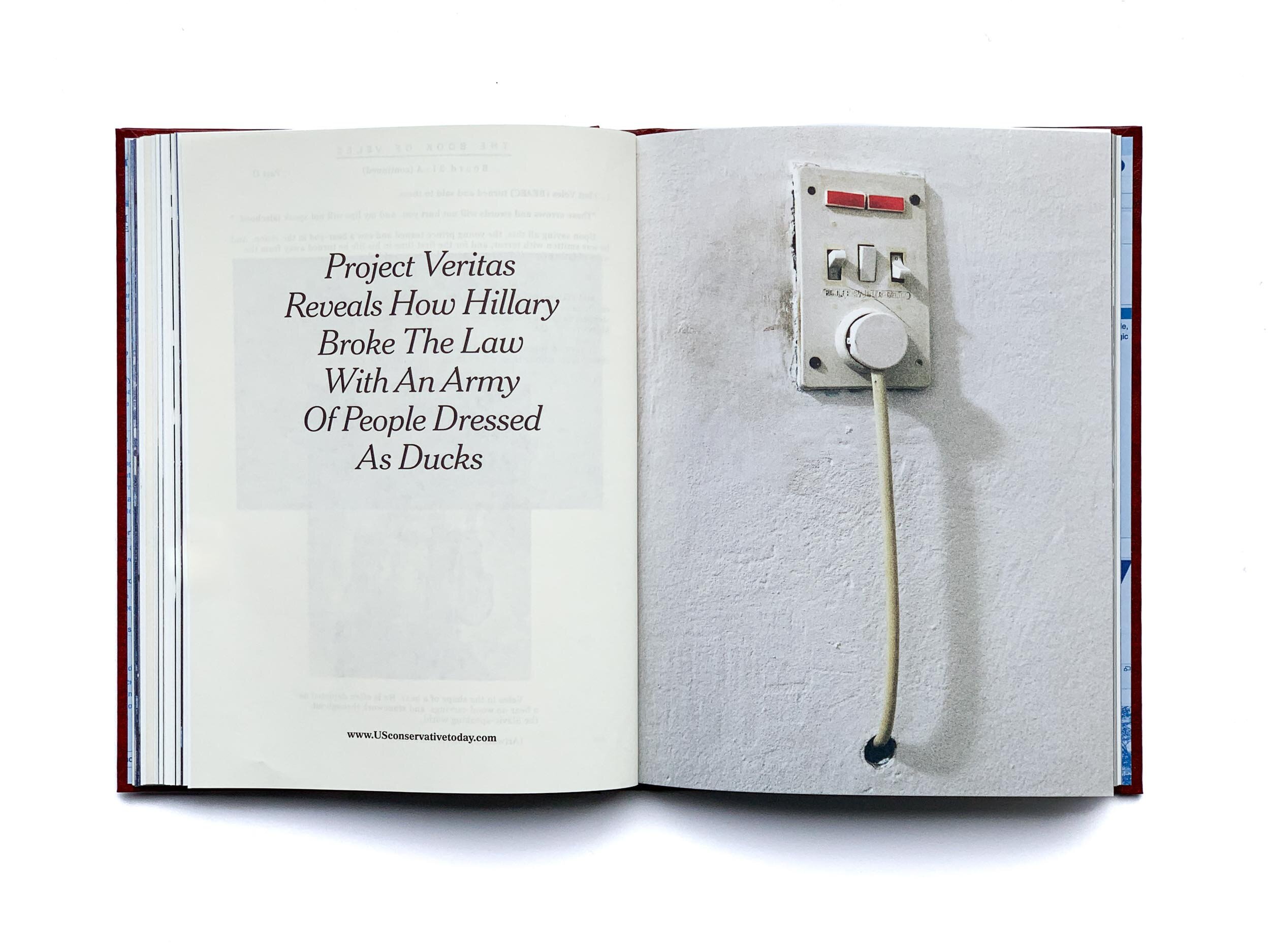
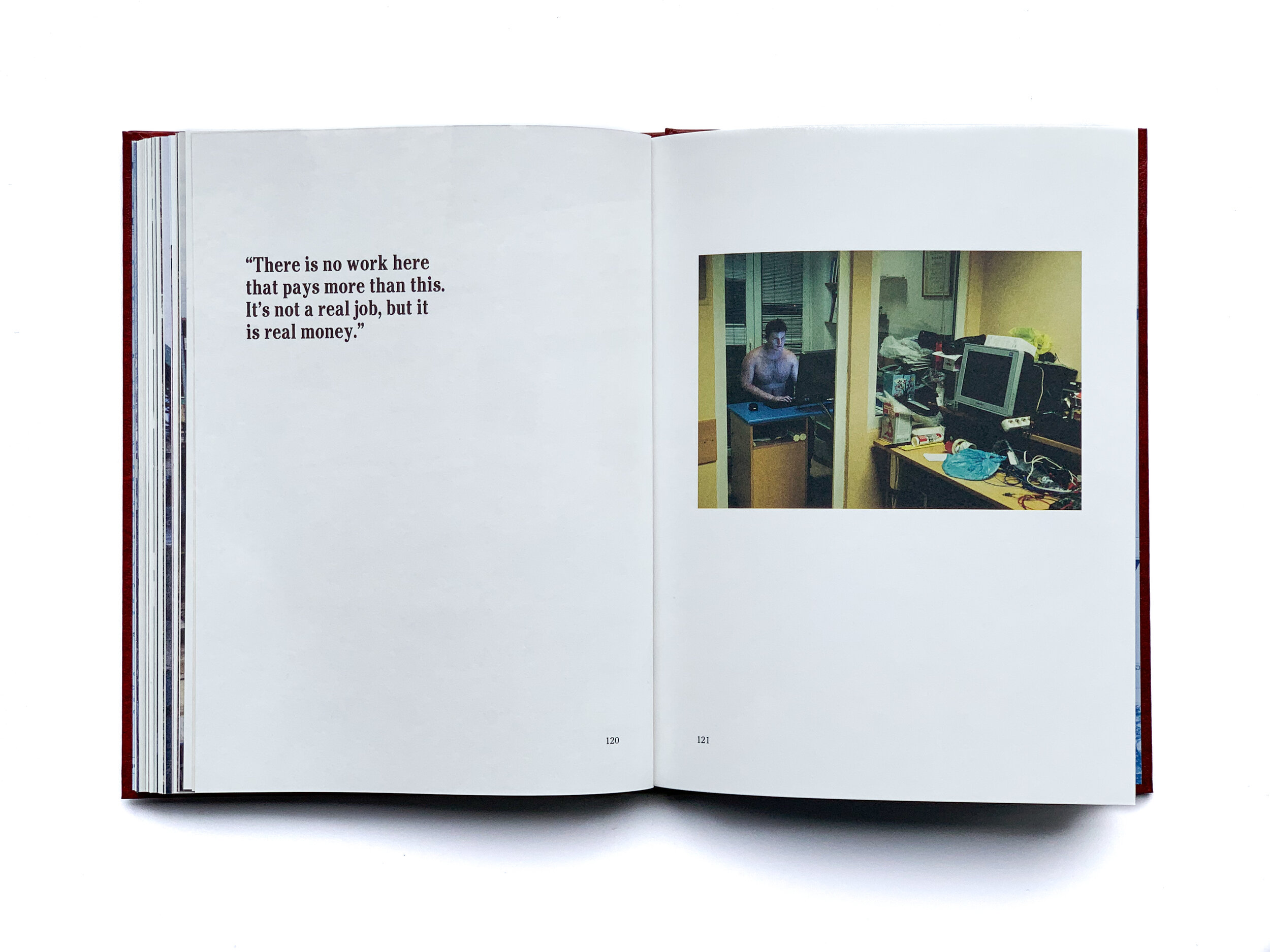
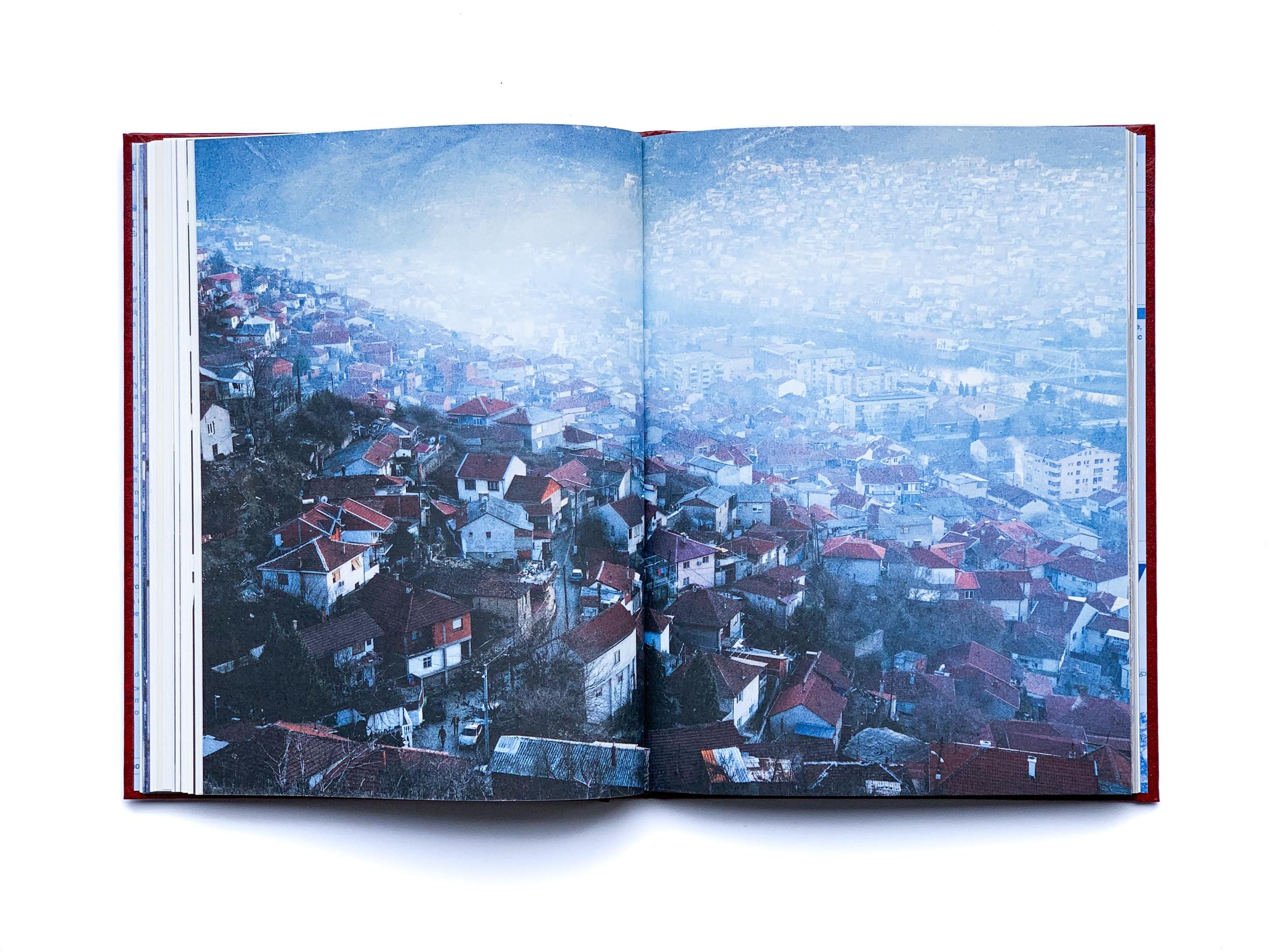
The sleepy North Macedonian town of Veles put itself on the world map as the epicenter of fake news production during the 2016 US election. Tech-savvy local youth created hundreds of clickbait websites posing as American news portals, making quick cash as the sites were spread to millions of people via social media algorithms.
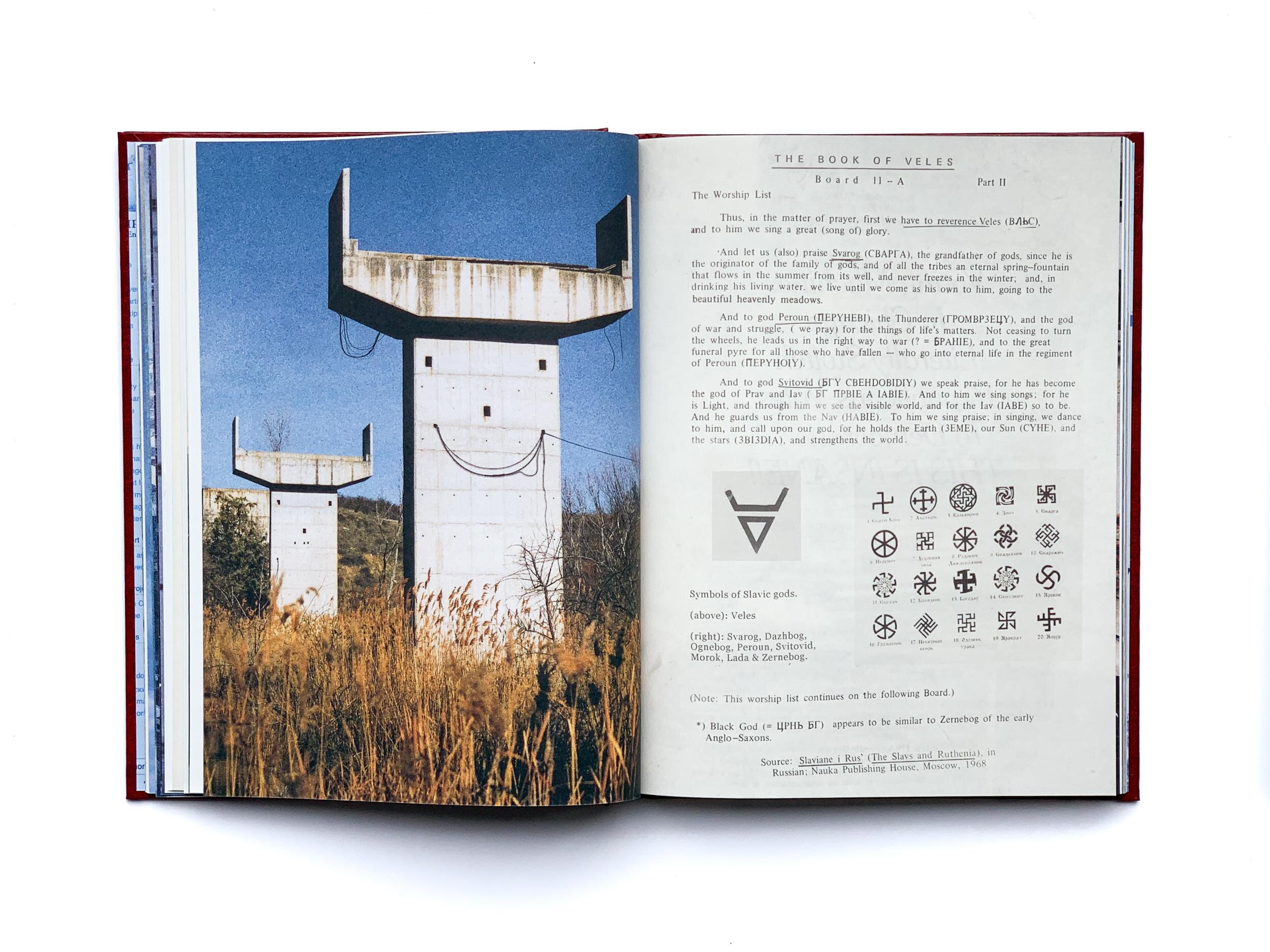
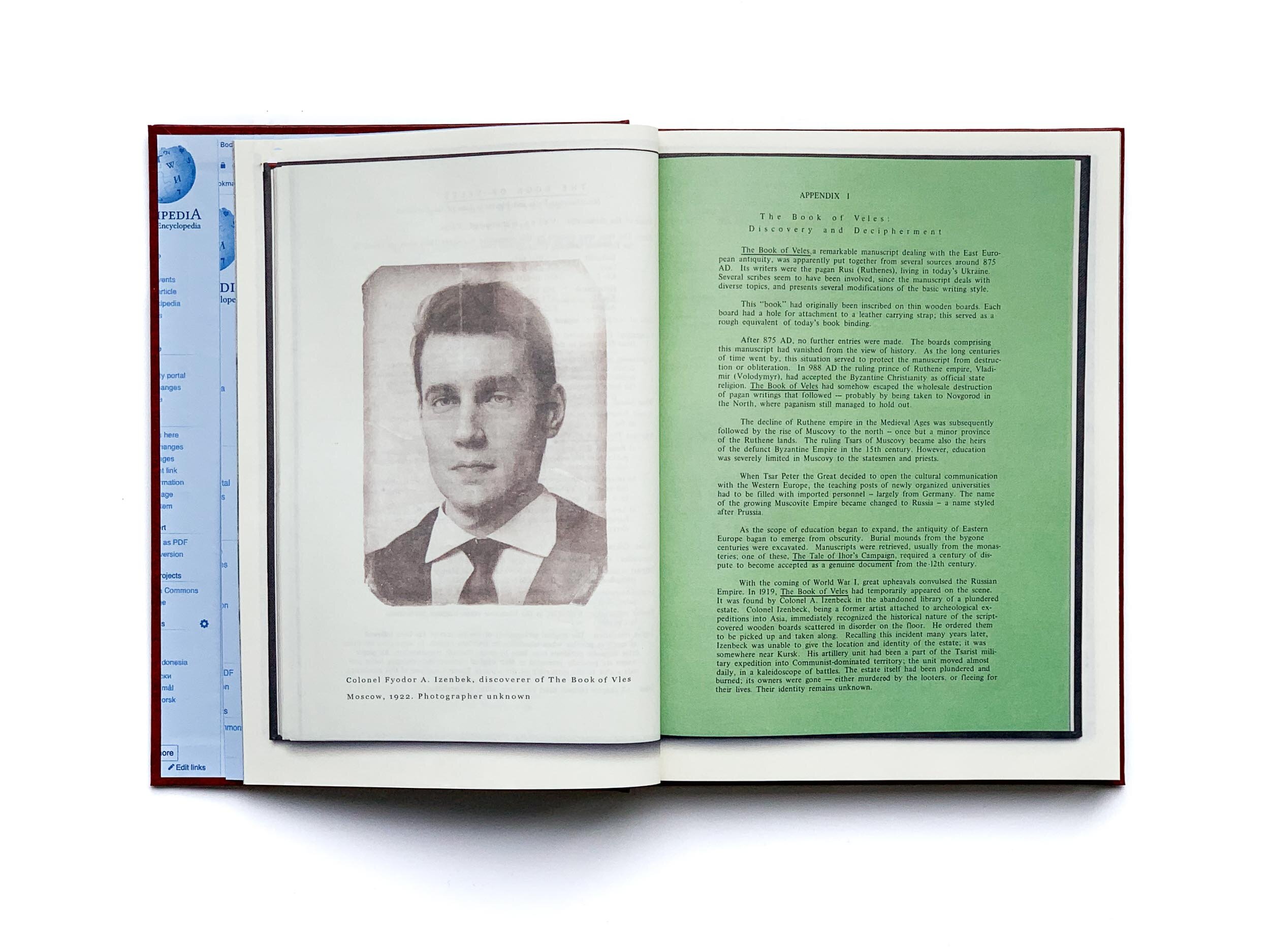
International media crews flocked to Veles to report on this unlikely hub of disinformation, and I followed suit. During my travels I discovered that Veles is also the name of a shapeshifting, Slavic bear- god known for spreading chaos, mischief and lies. The myth of Veles is also told in a purported ancient manuscript, which after having fooled people for decades, is now considered a forgery.
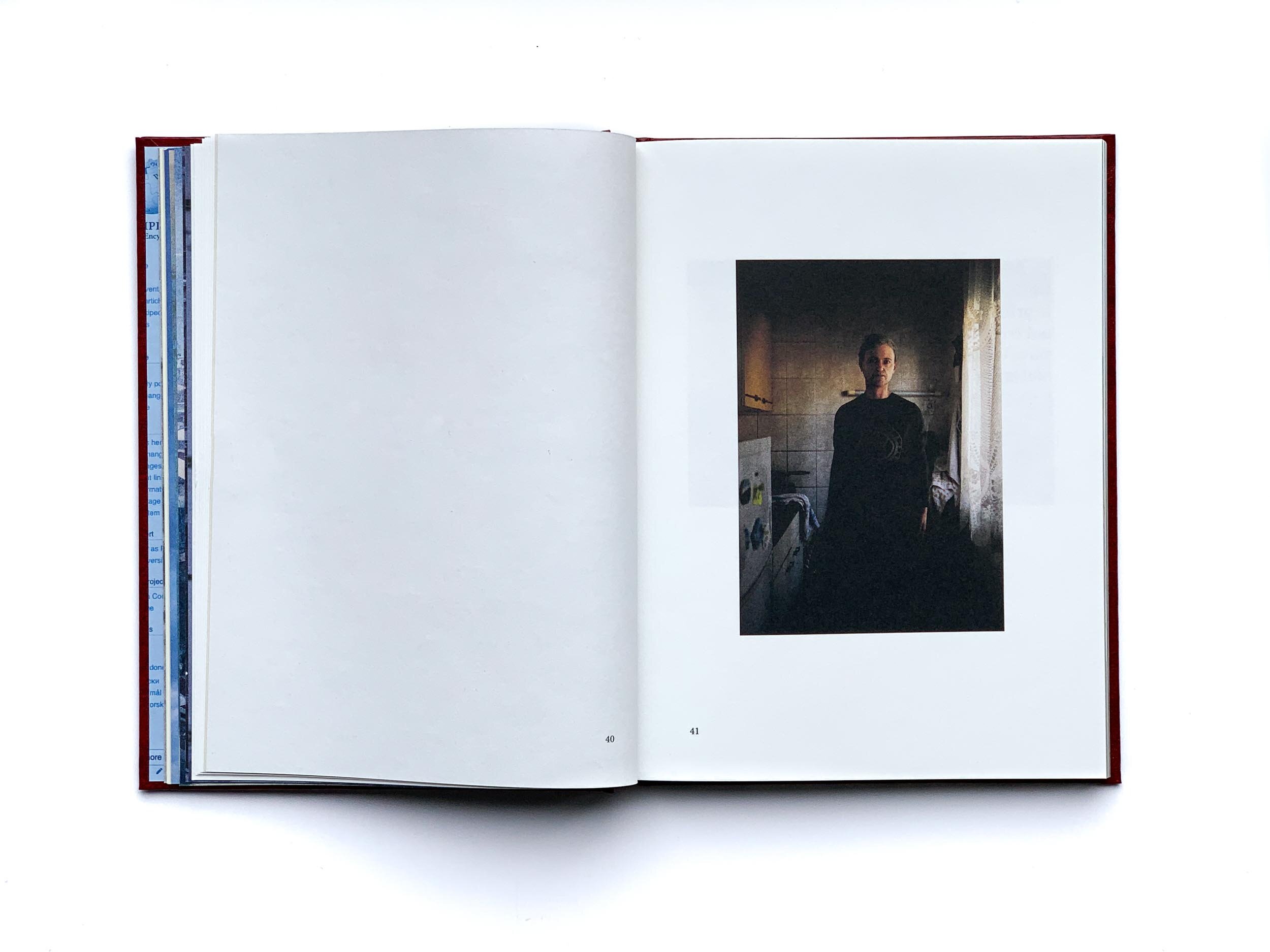
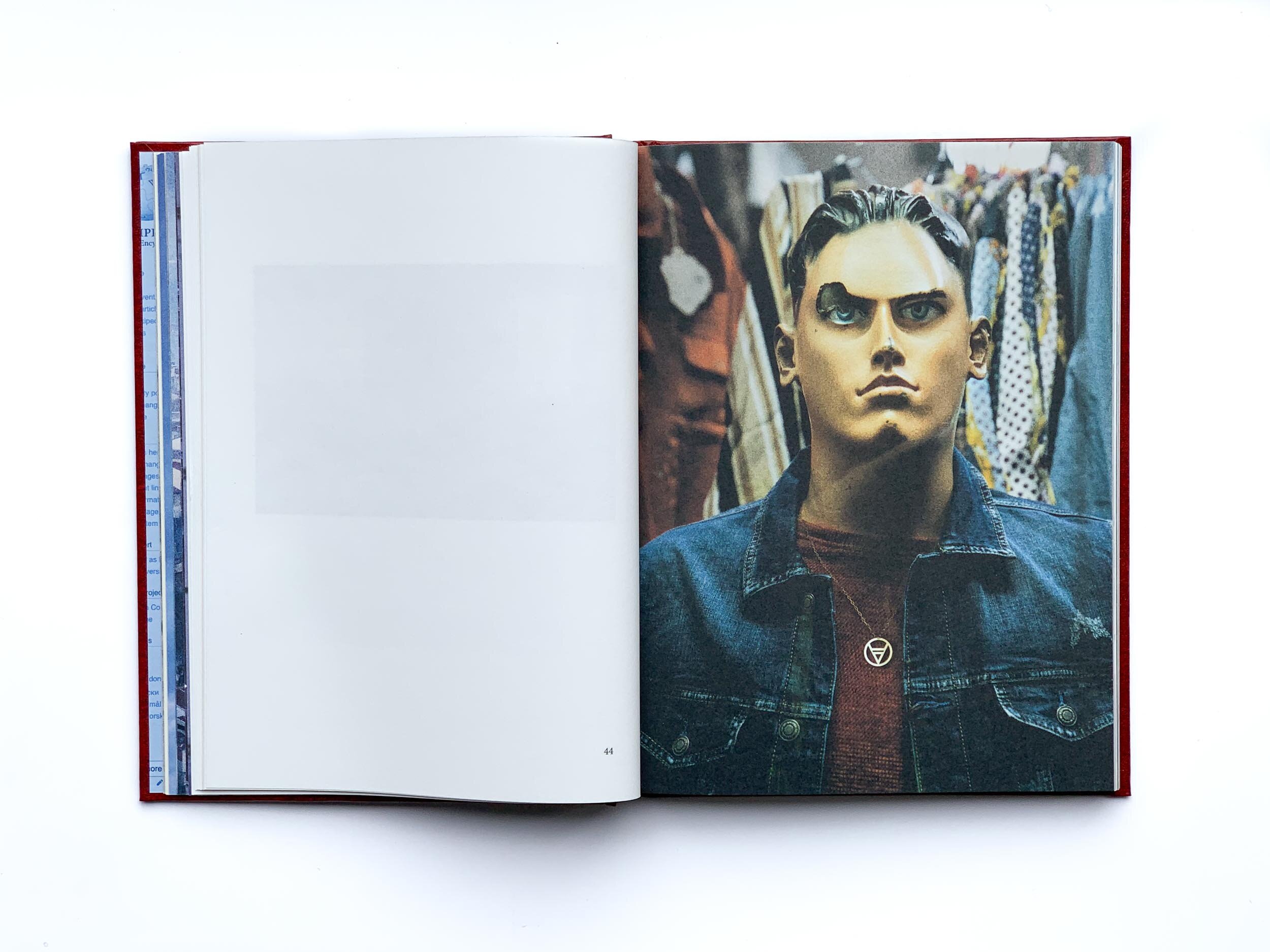
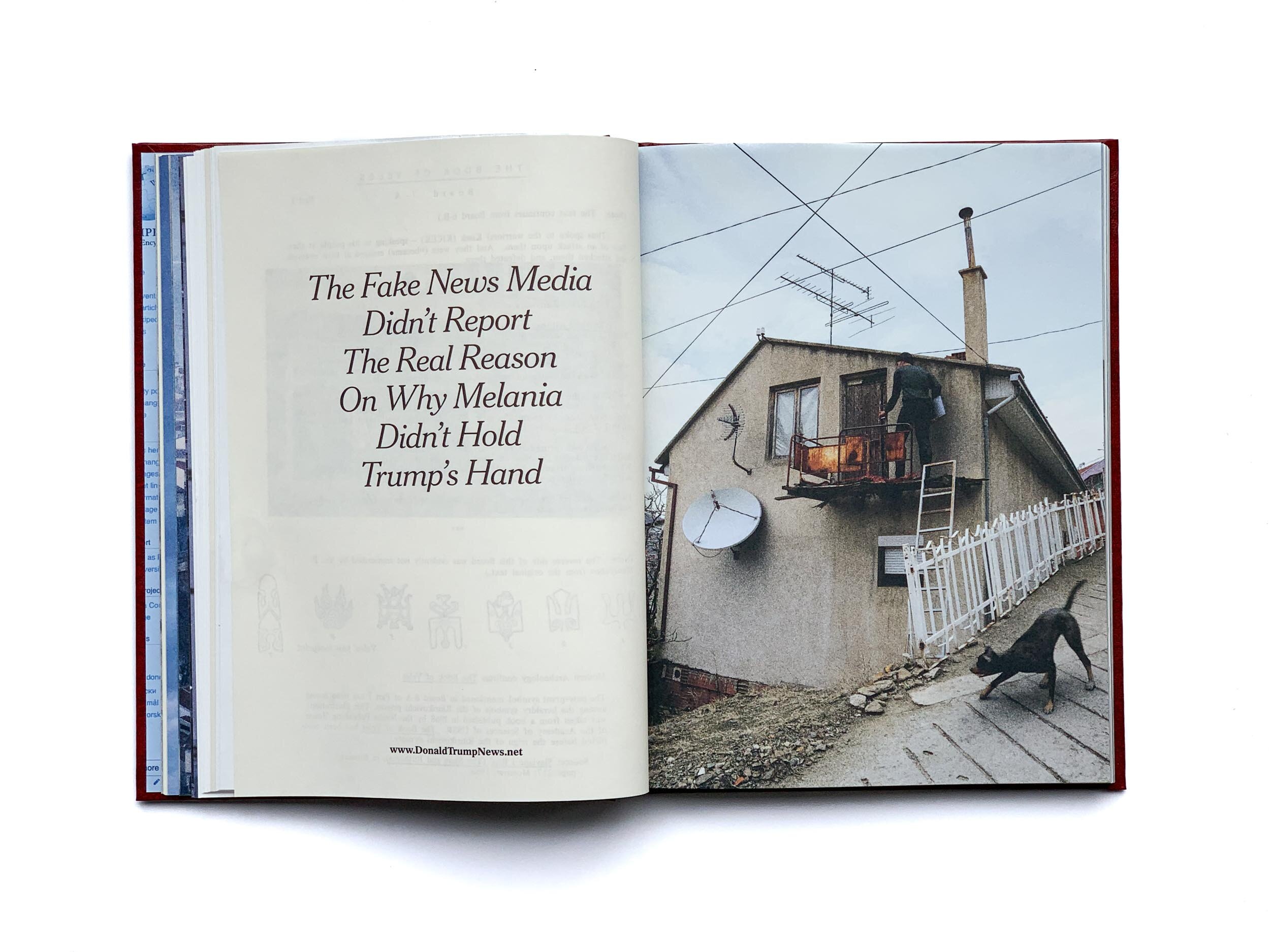
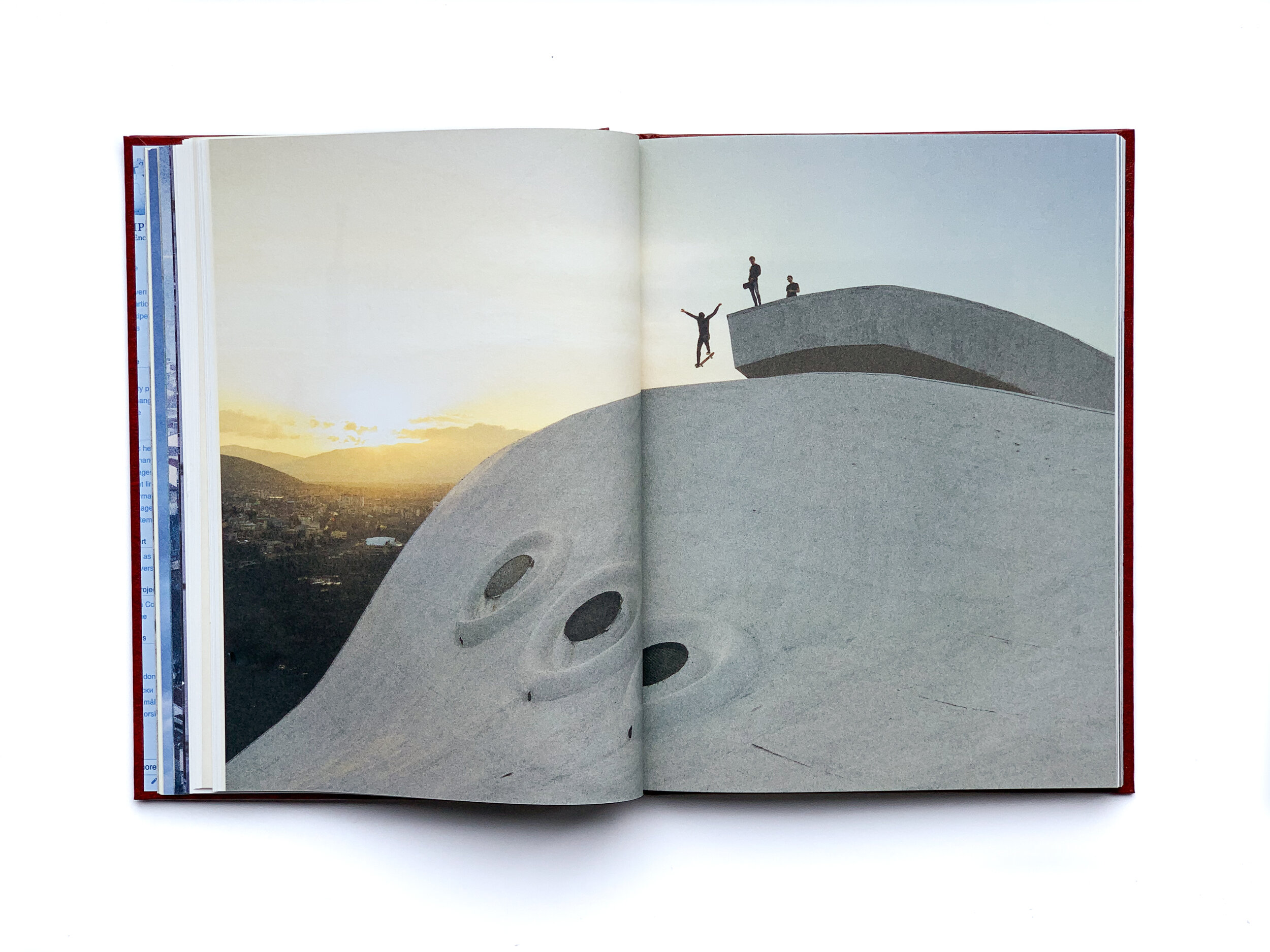
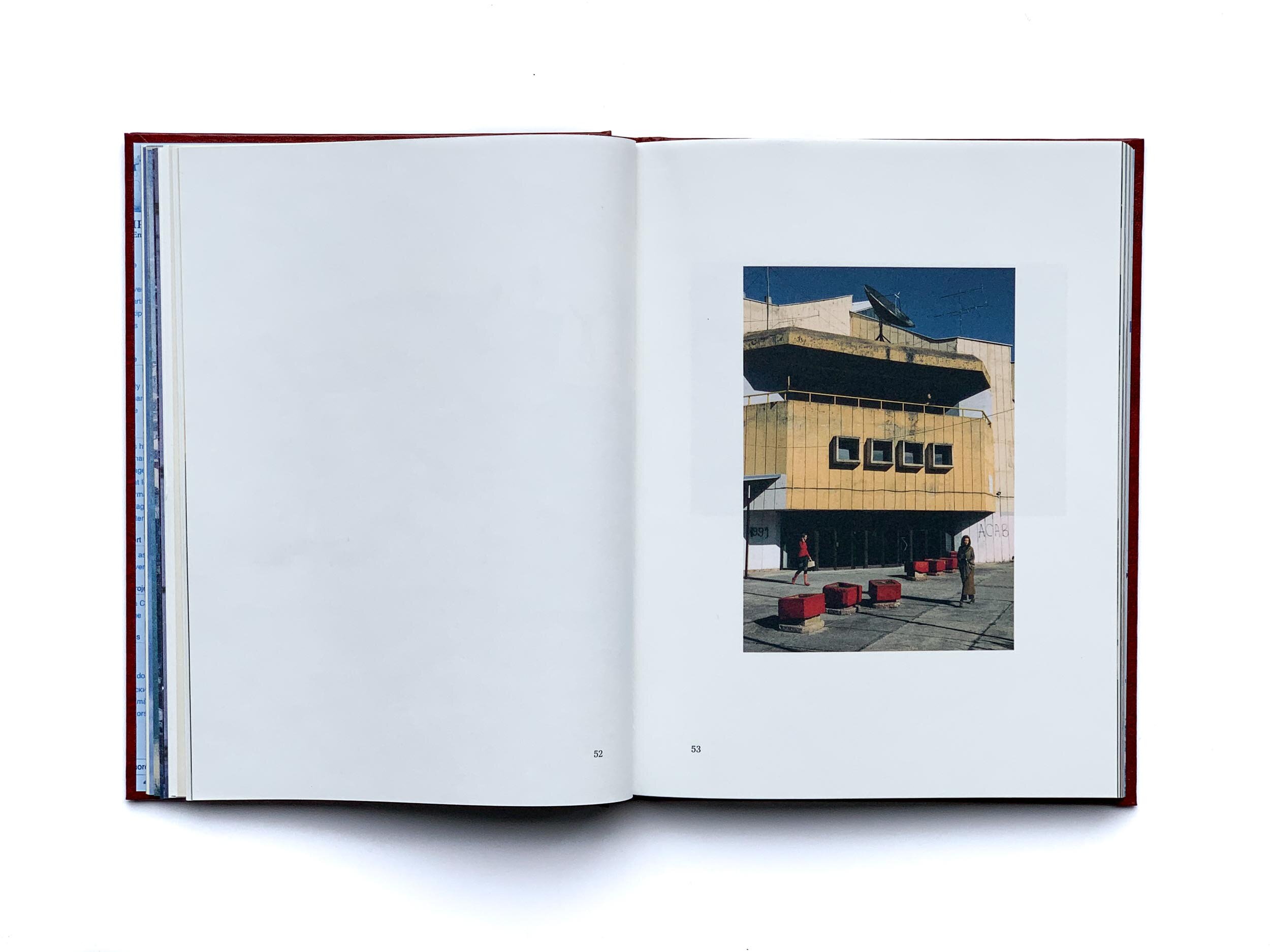
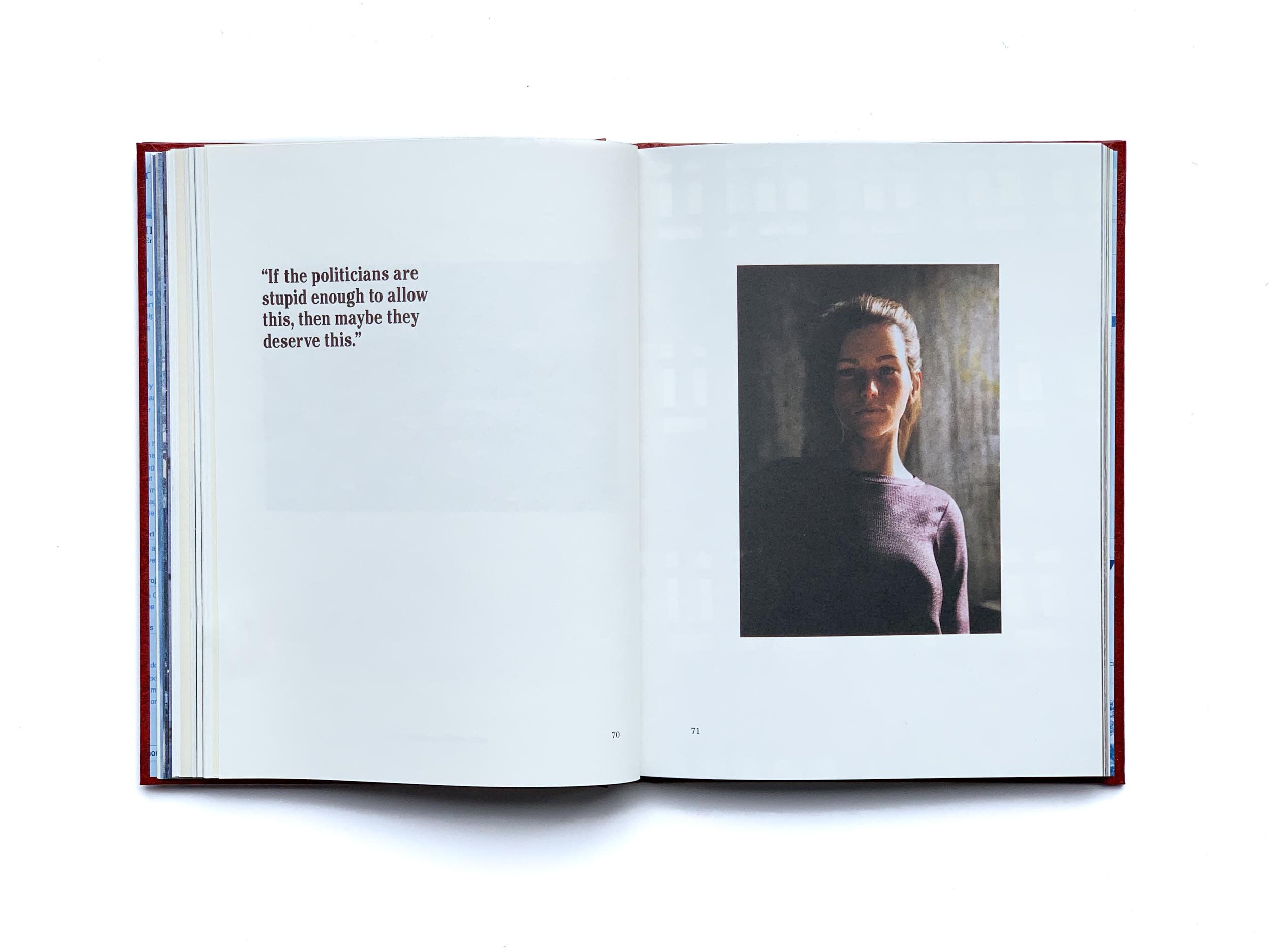
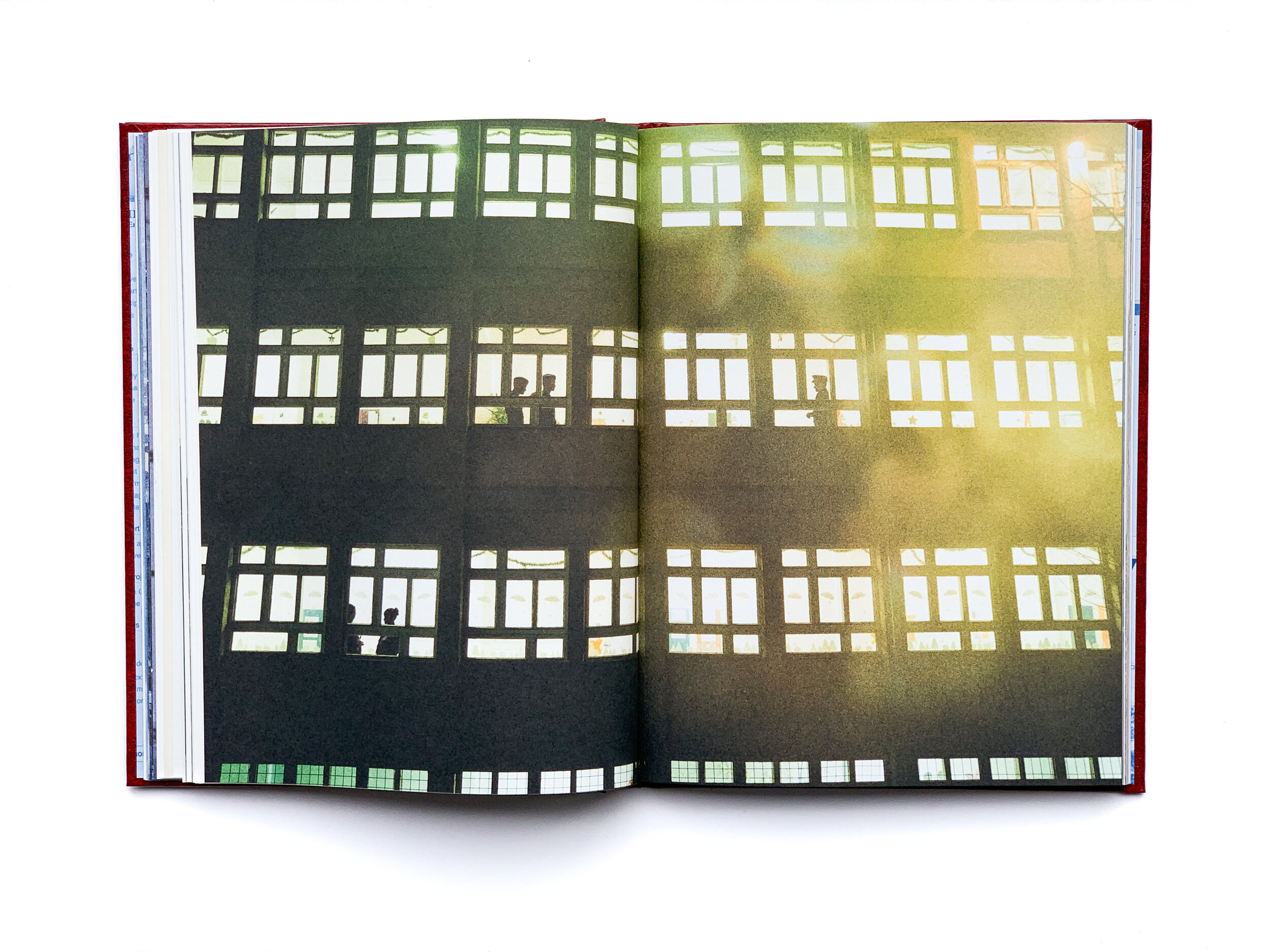
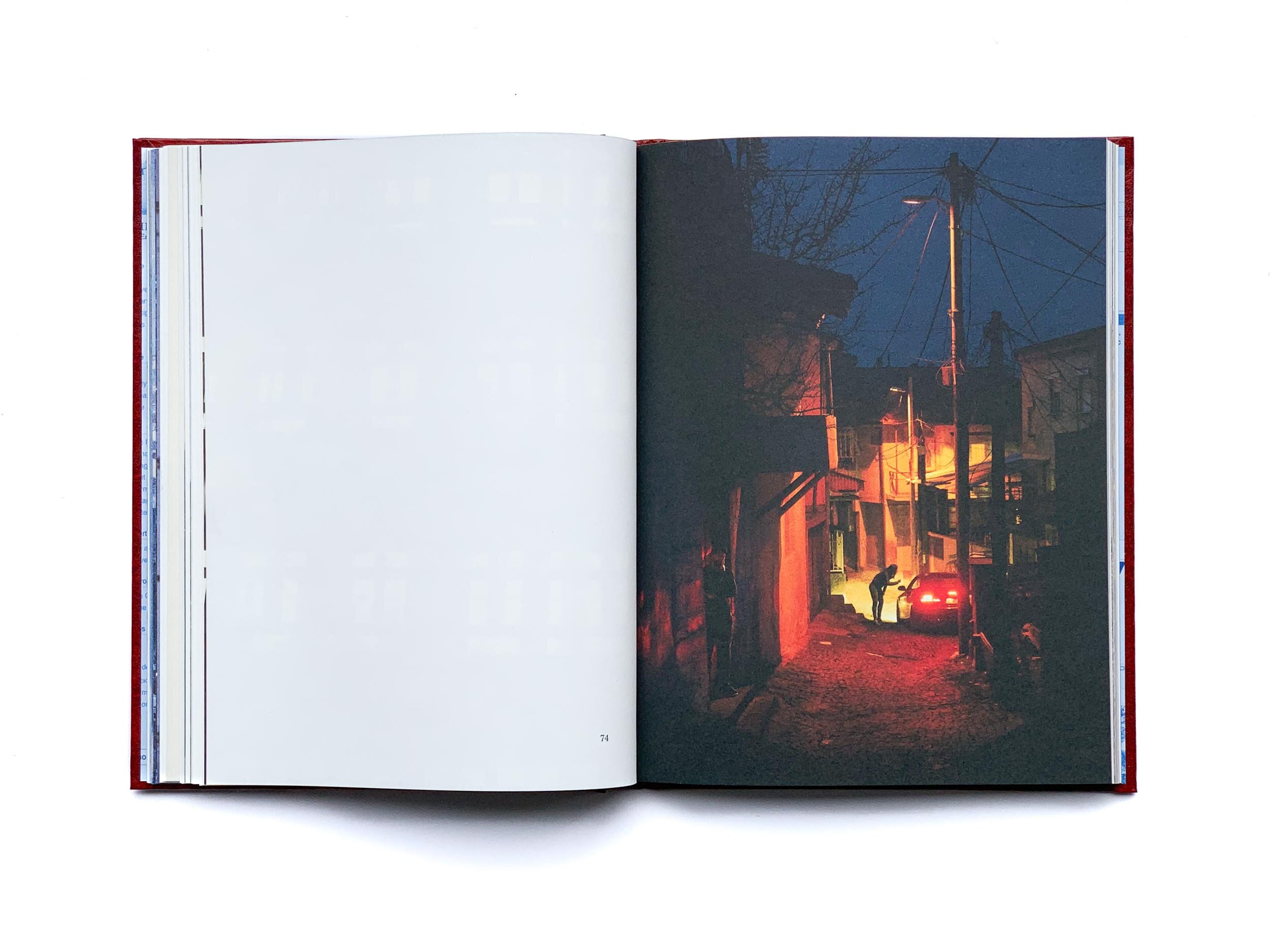
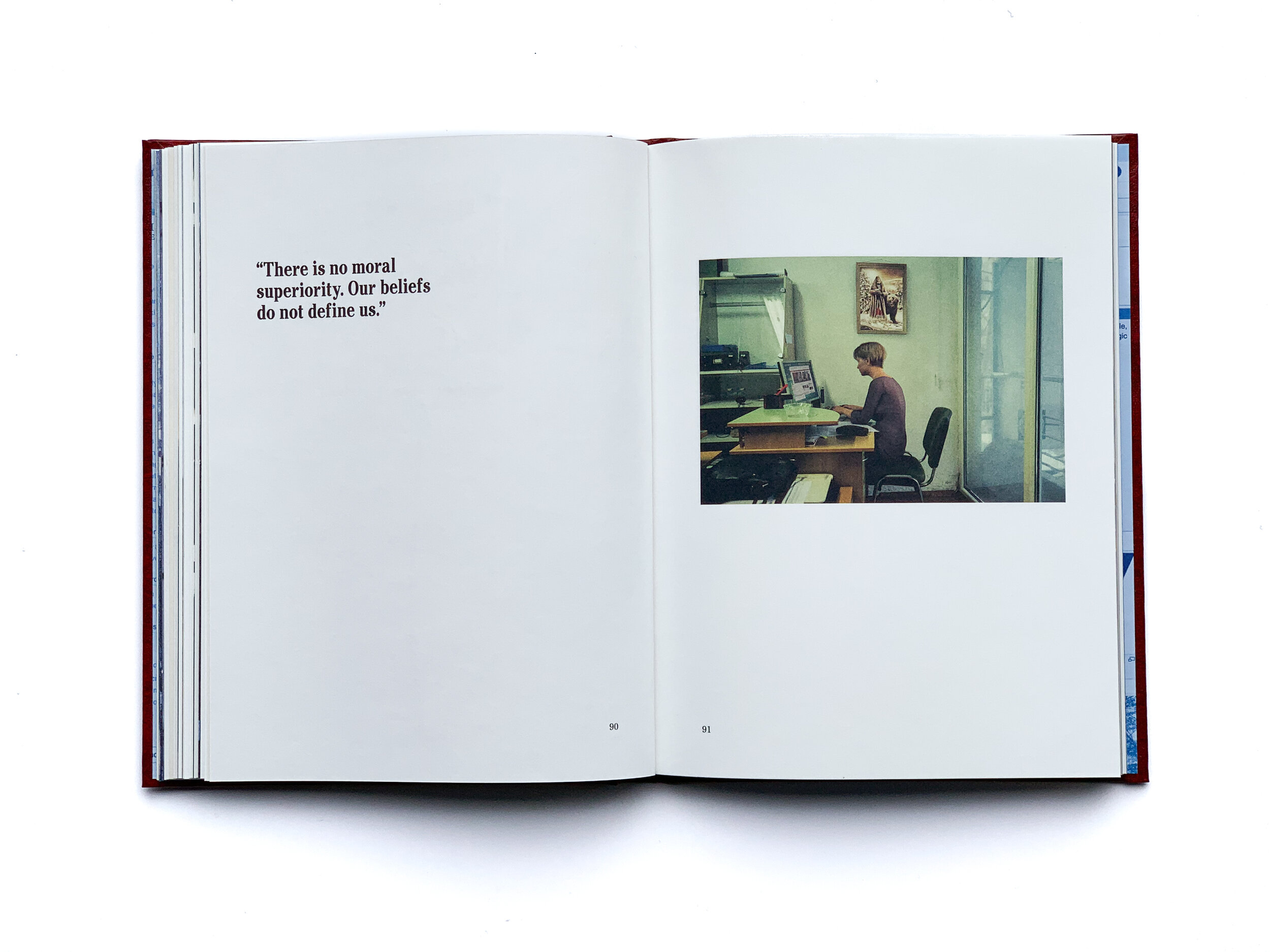
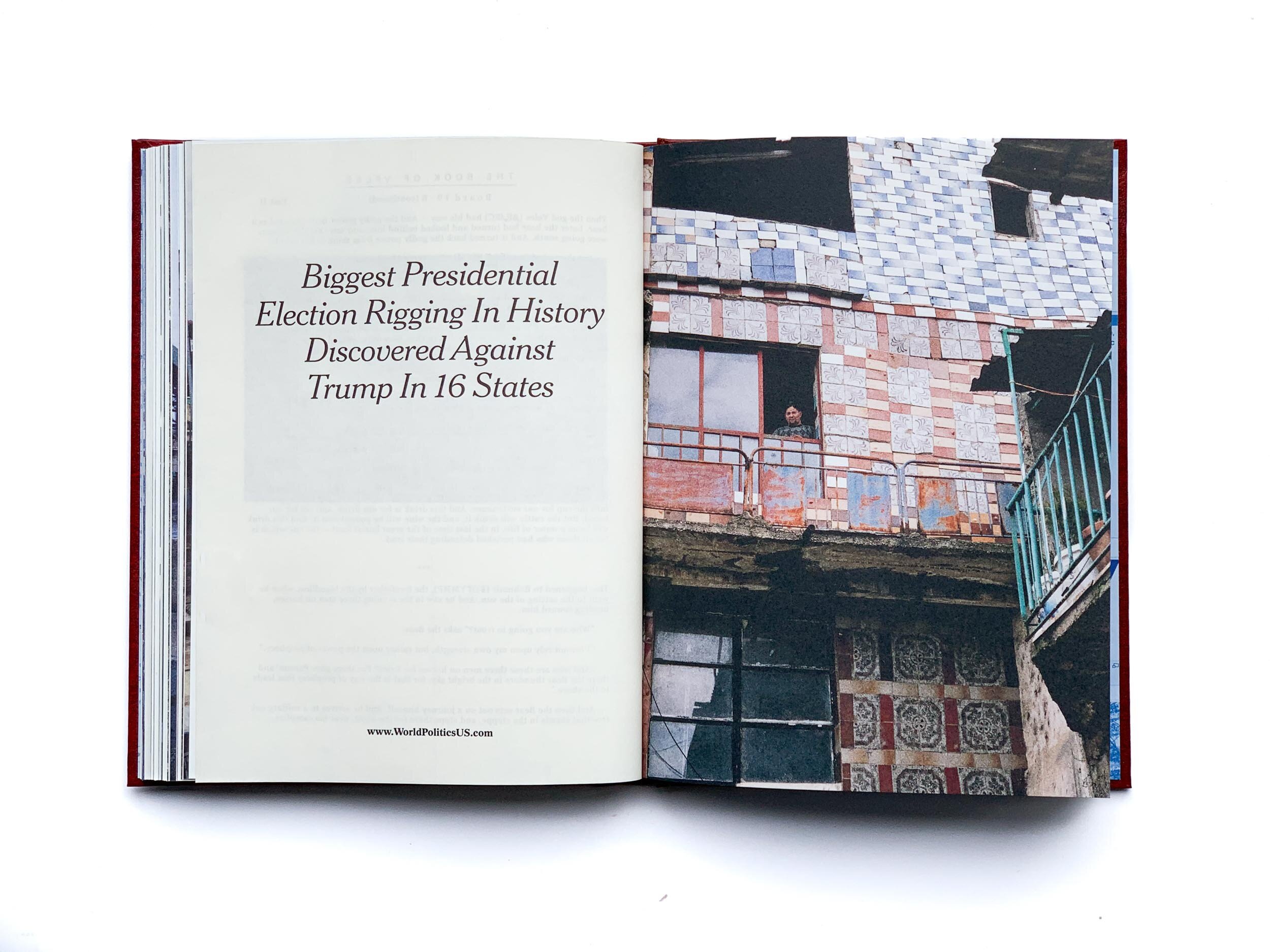
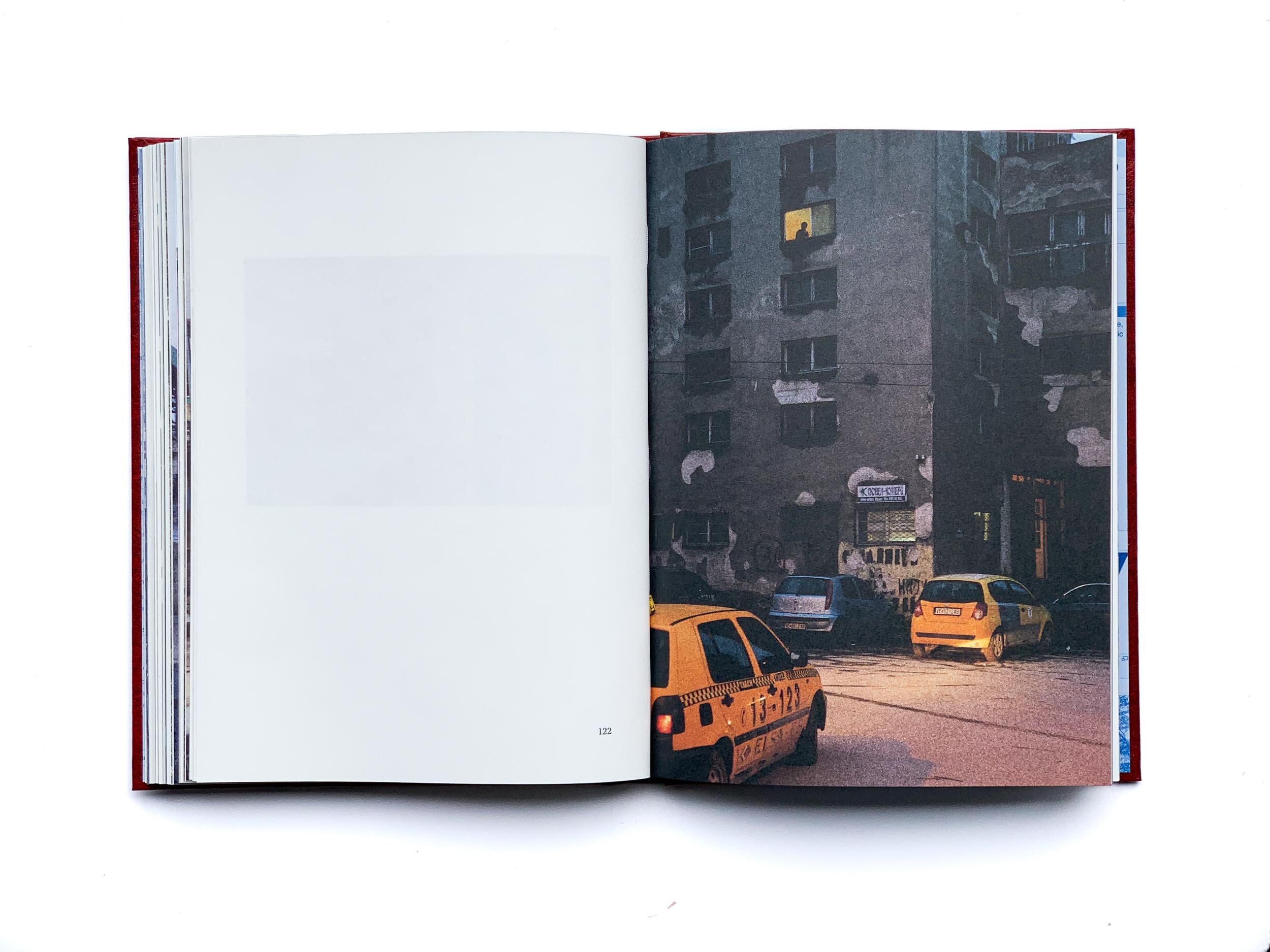
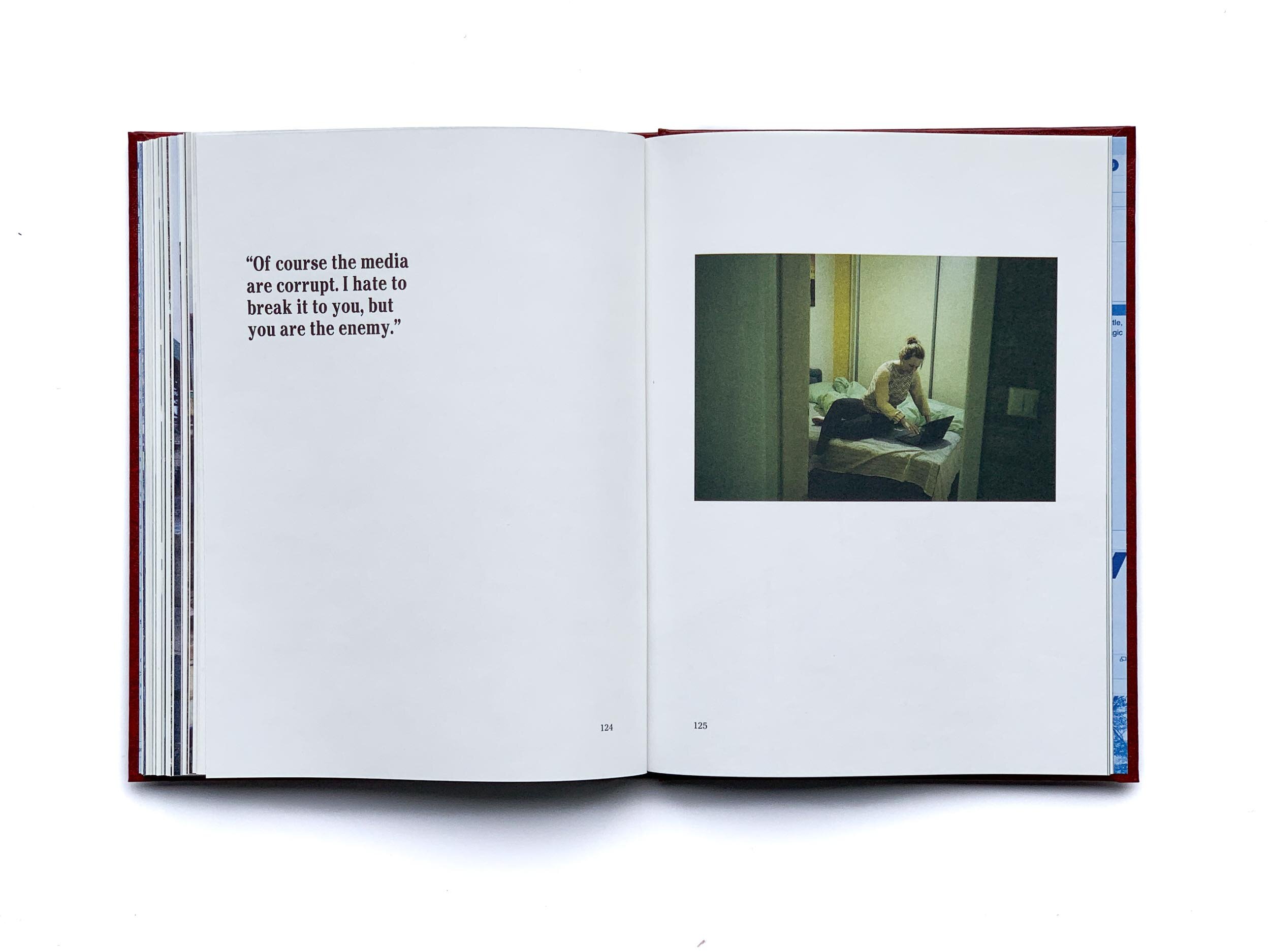
Using these stories as a backdrop, I created The Book of Veles; a 2021 photobook which was widely praised by the documentary photography community, until a mysterious social media profile named Chloe Miskin eventually revealed it as something very different from what it appeared to be. The Book of Veles is both a reckoning with my own history as a classical photojournalist as well as an experiment to see where technology might lead photography in the immediate future. The work is a quagmire of fake photo reportages, AI generated material, avatars and Facebook trolls, with which I aimed to probe our ability to spot synthetic images.

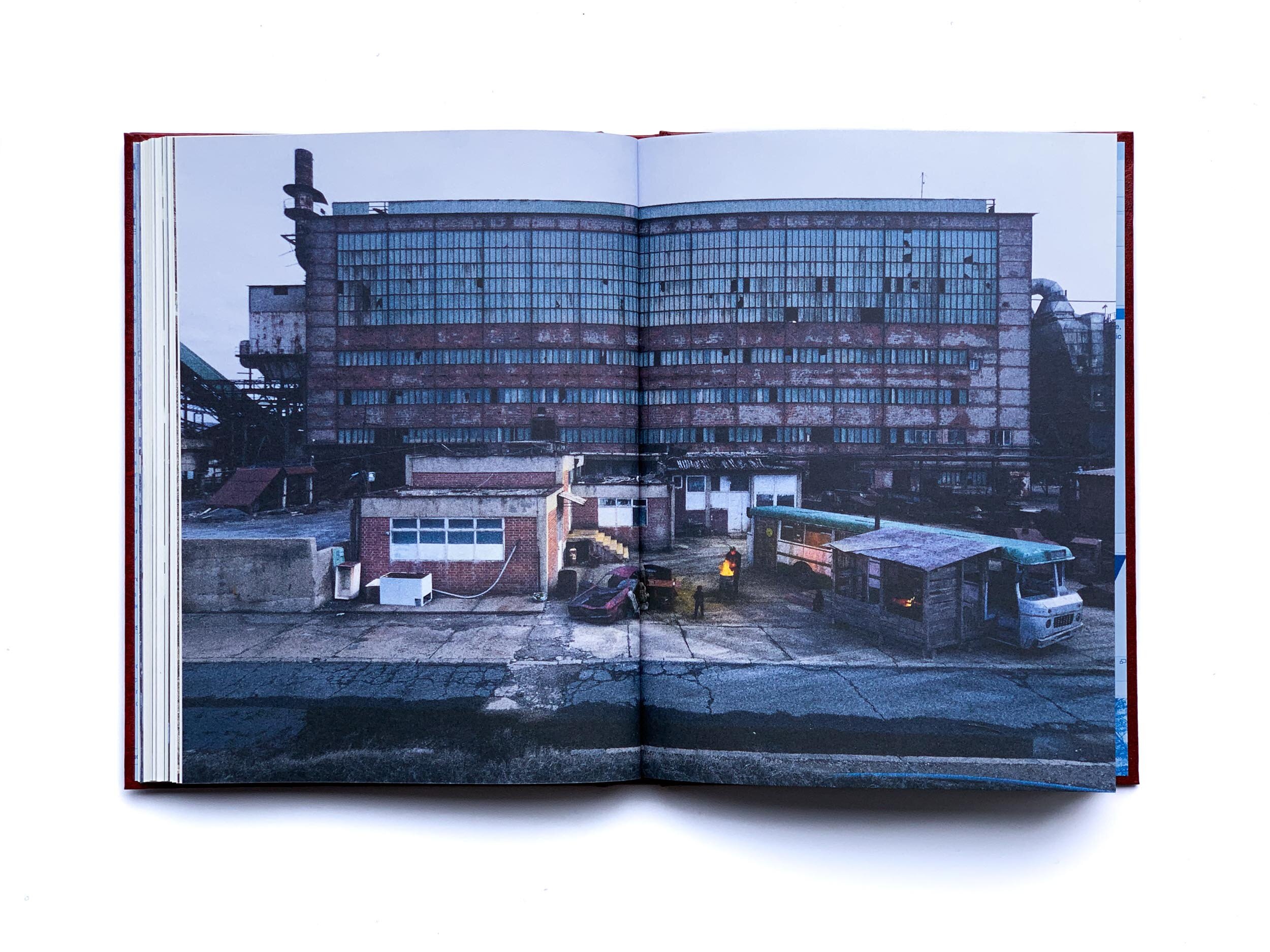
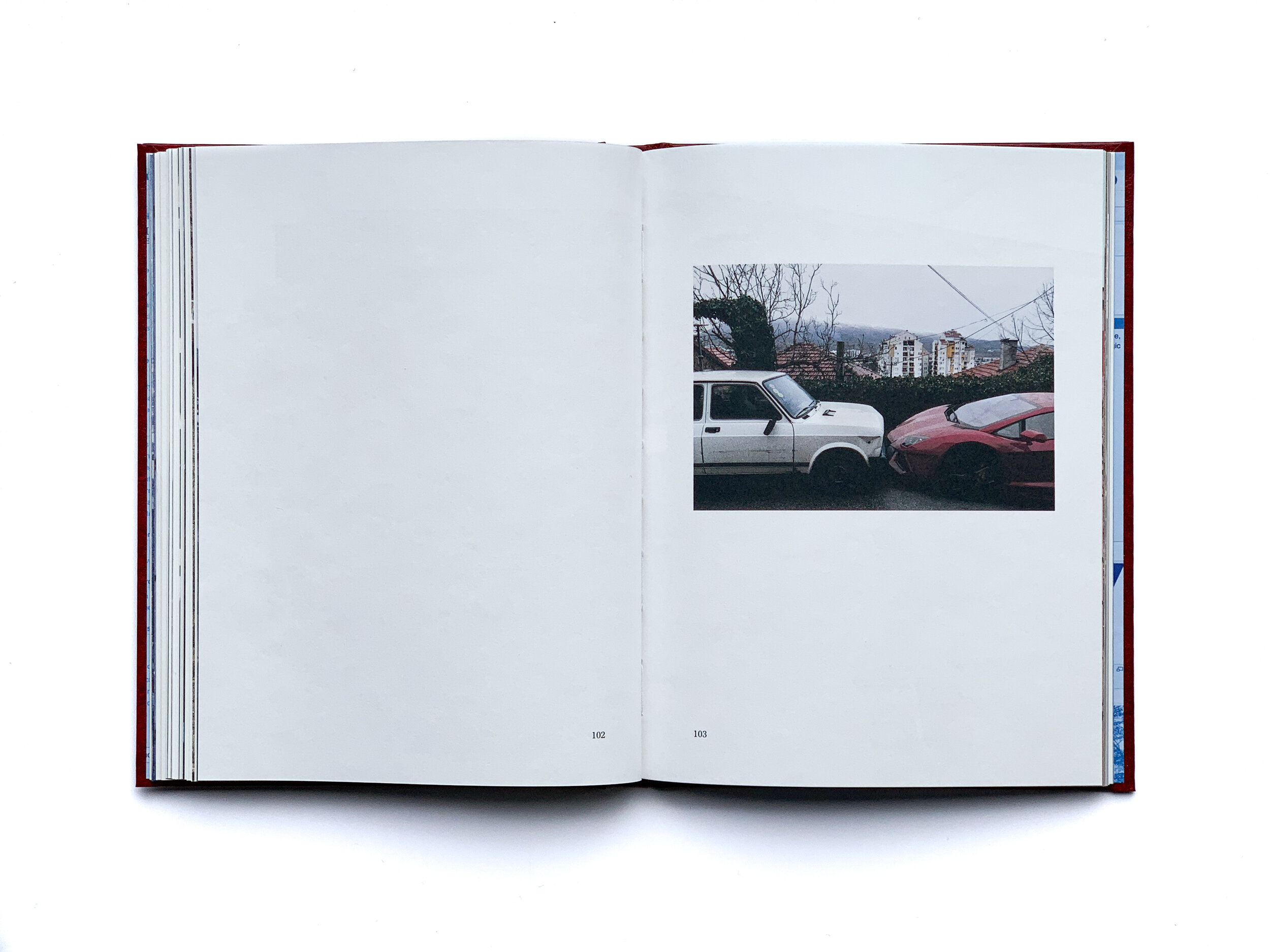
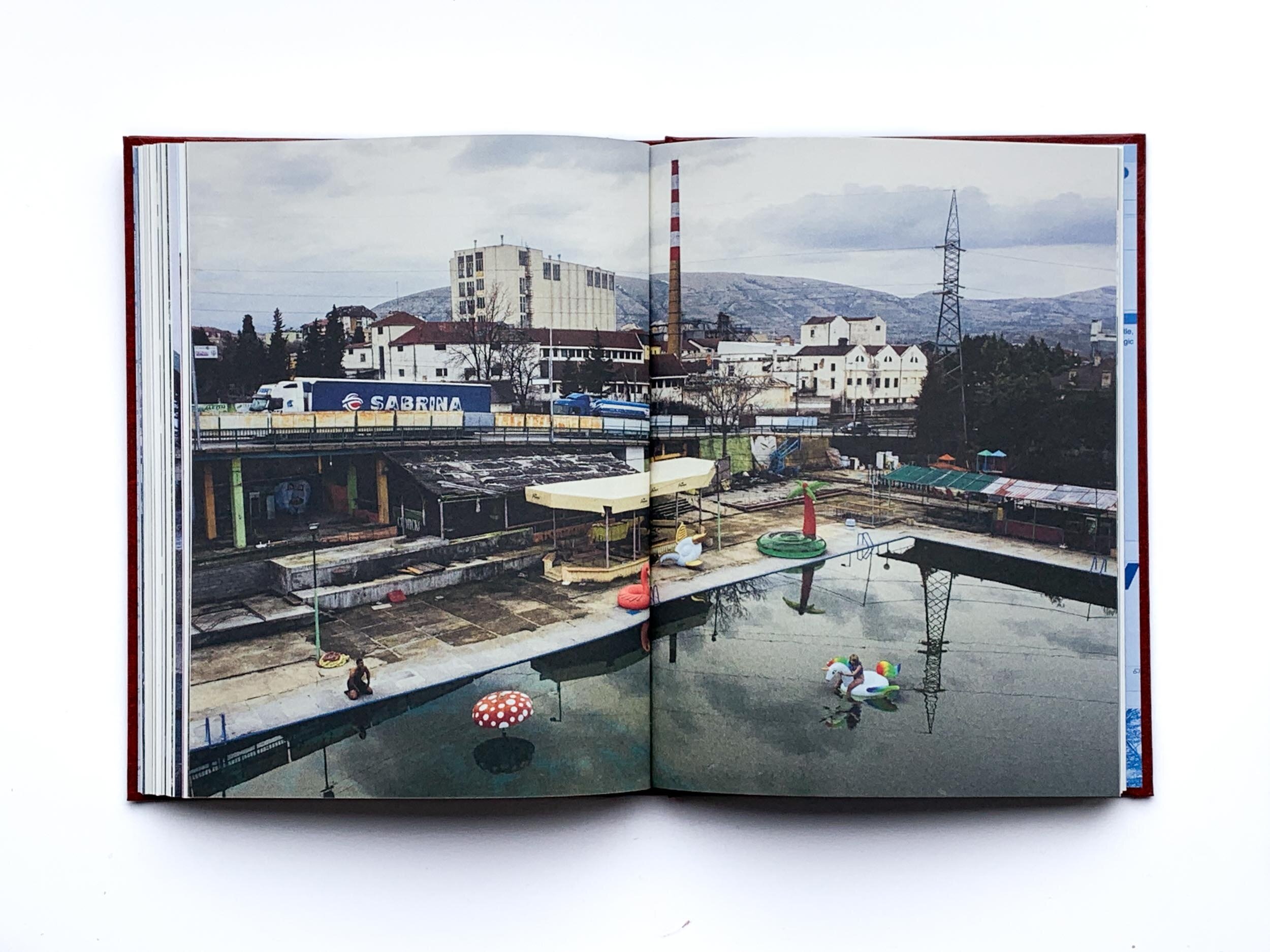
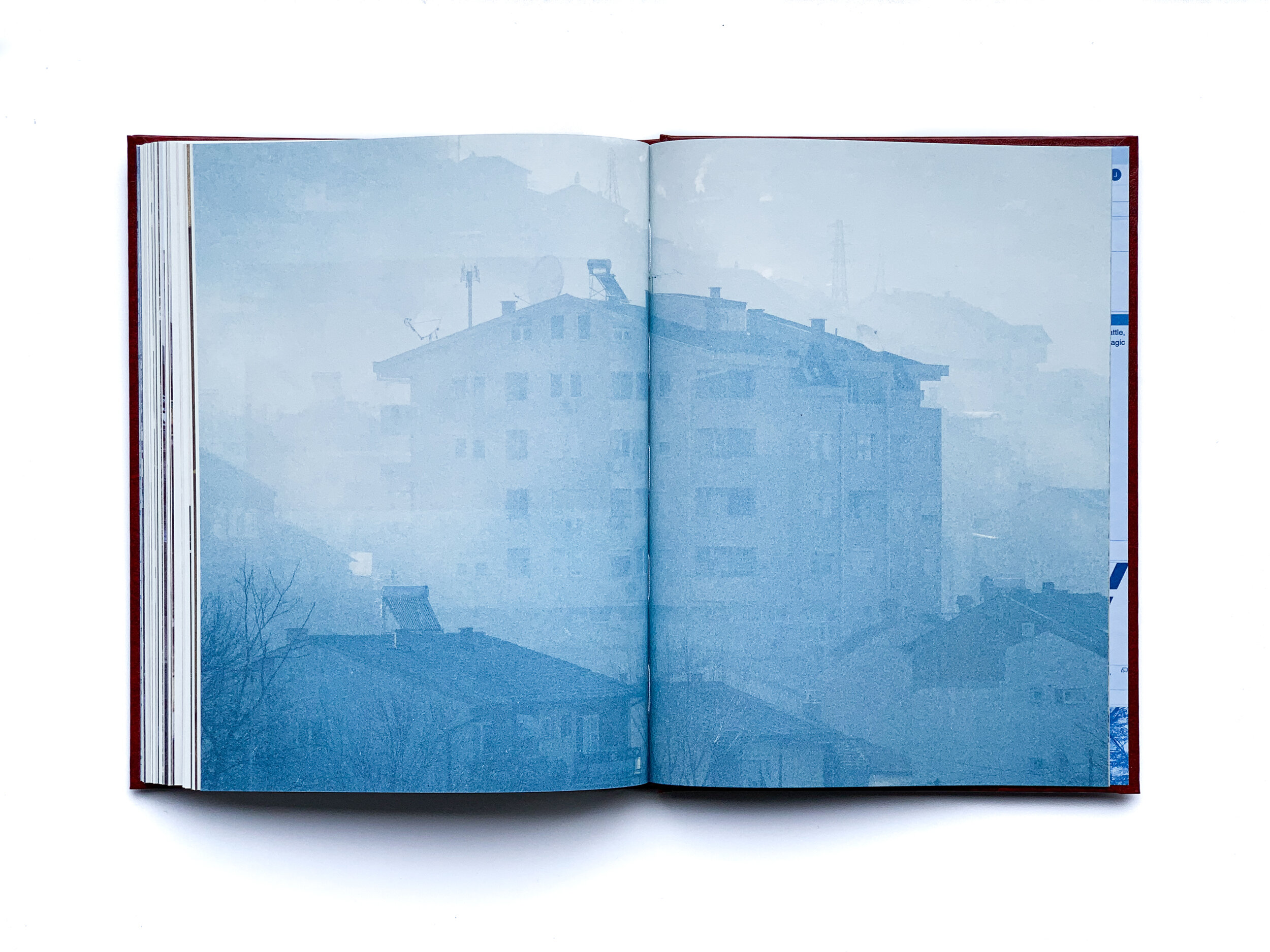
Veles is a provincial North Macedonian town which placed itself on the world map in 2016 as an epicenter for fake news production. The area has lost much of its economic base in recent decades —an enormous steel smelter, a porcelain factory and other industry lie abandoned. During the 2016 US Presidential election, tech-savvy local youth created hundreds of clickbait websites posing as American political news portals, intending to earn quick money from viewer ad clicks. As the Veles fake news articles were spread to millions of people via Facebook and Twitter algorithms, many of these “news hackers” made substantial sums, and the sites may very well have contributed to the election of Donald Trump as President of the USA.
The story of Veles’ fake news producers is an example of how rogue information and “alternative truths" are a constantly growing force, and one that is not easily defeated.
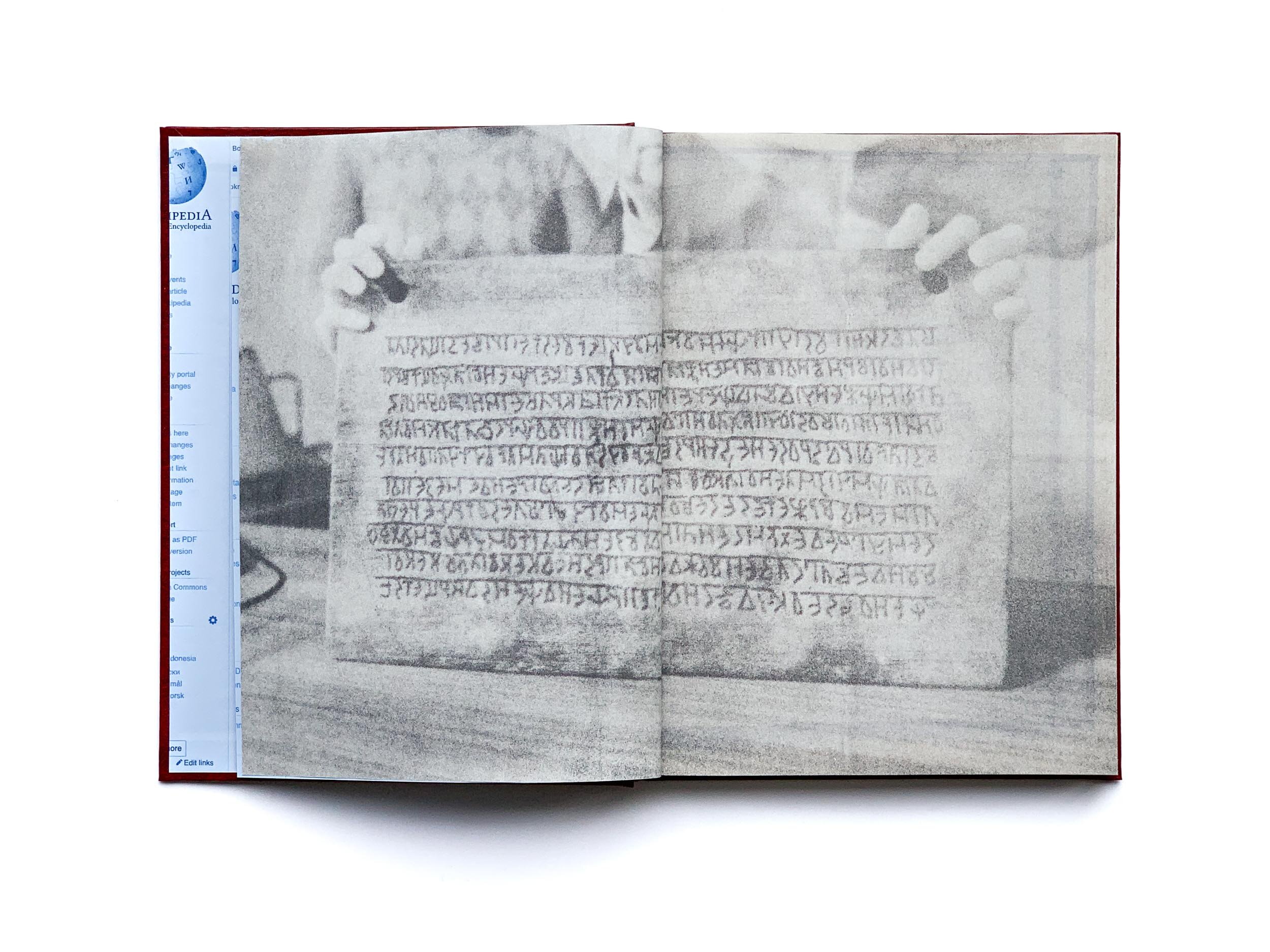
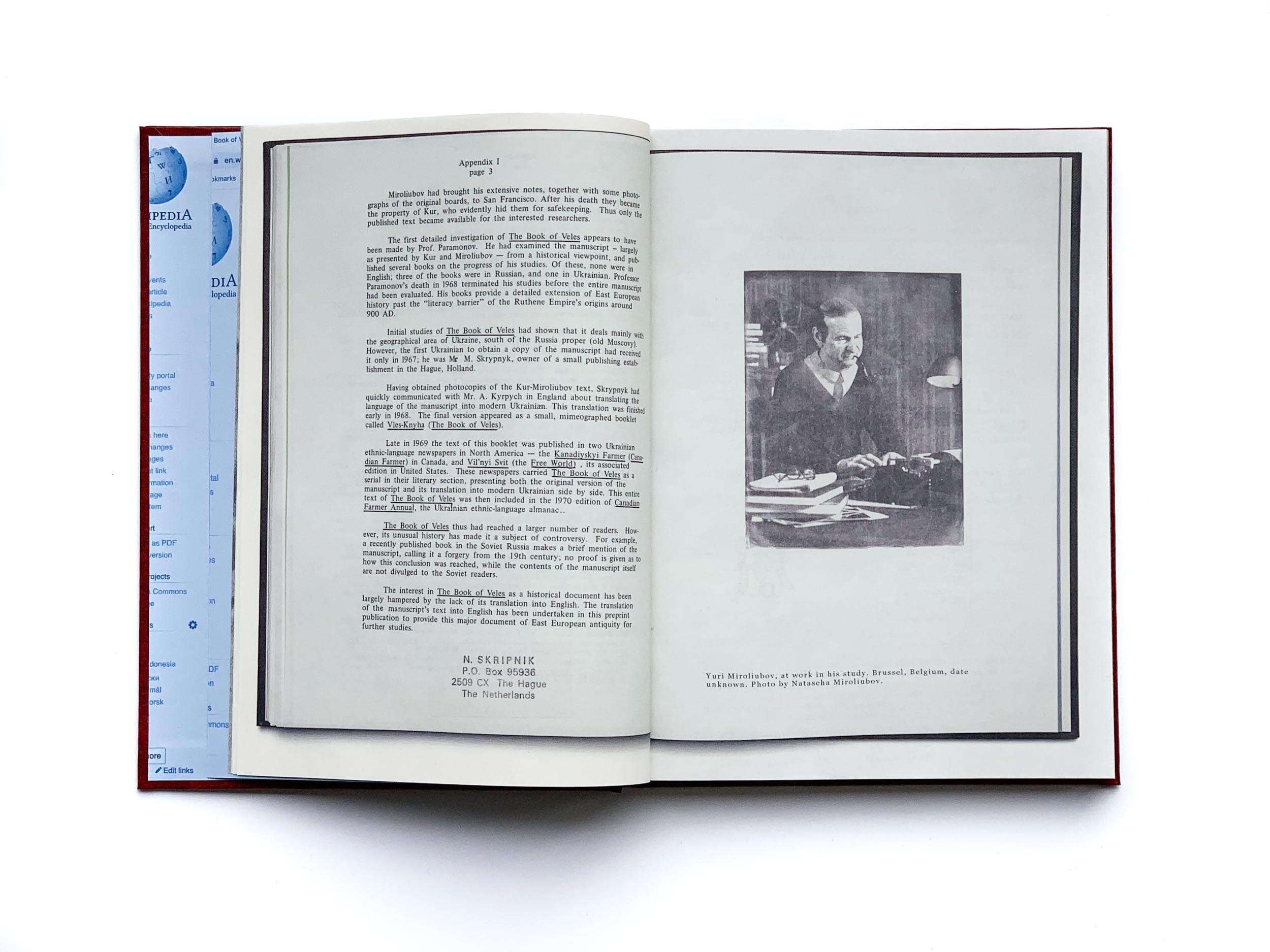
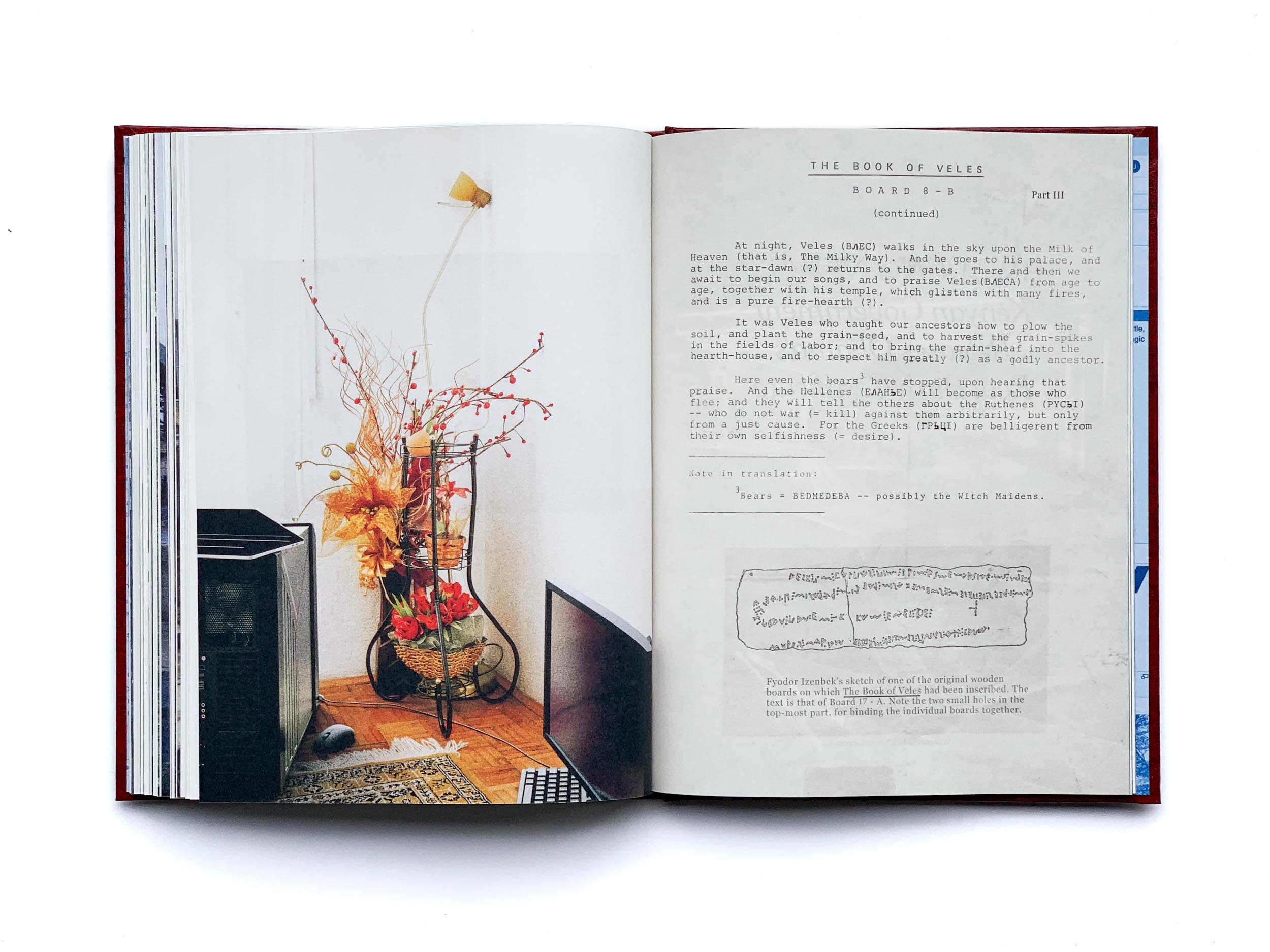
I travelled to Veles to explore this unlikely hub of misinformation. The photographs of contemporary Veles are intertwined with excerpts and facsimiles from a 1919 archaeological discovery also called ‘the Book of Veles’ — a cryptic collection of 40 ‘ancient’ wooden boards discovered in Russia by an army officer, written in a proto-Slavic language. It was claimed to be a history of the Slavic people and the god Veles himself—the pre-Christian Slavic god mischief, chaos and deception. While popular among Slavic nationalists, the text is debunked as a forgery by most scientists.
In my ‘new’ Book of Veles I interweave these two different ‘Veles’ stories, representing historical and current efforts at producing disinformation and chaos.
For more details about this project see the article on the Magnum Photos website:
How Jonas Bendiksen Hoodwinked the Photographic Industry